
Medical transport requires exact vehicle engineering and strict regulatory compliance. Global standards classify ambulance types based on chassis design, payload capacity, and medical intervention levels. Understanding these classifications ensures the right vehicle matches specific emergency scenarios. This guide explores structural differences and manufacturing specifications globally.
How Are Ambulance Types Classified Globally?
Different regions rely on specific regulatory frameworks to define emergency vehicles. The United States follows KKK-A-1822F and CAAS GVS design guidelines. Europe relies on the EN 1789 standard for medical vehicle certification.
US classifications focus heavily on structural chassis construction.
- Type I: Manufacturers mount a modular patient box onto a light-duty truck chassis. The cab and medical module remain physically separated.
- Type II: Builders utilize a standard commercial van for production. The external body remains largely unmodified, making it highly maneuverable.
- Type III: This design uses a customized cutaway van chassis. The front cab integrates directly with the custom rear patient compartment.
European EN 1789 standards classify vehicles by their medical intervention capability.
- Type A: Designed strictly for non-emergency patient transport. It carries minimal life-support equipment.
- Type B: Built for basic emergency medical interventions. It includes standard resuscitation gear and patient monitoring tools.
- Type C: Functions as a mobile intensive care unit (MICU). It accommodates advanced life support and complex surgical equipment.
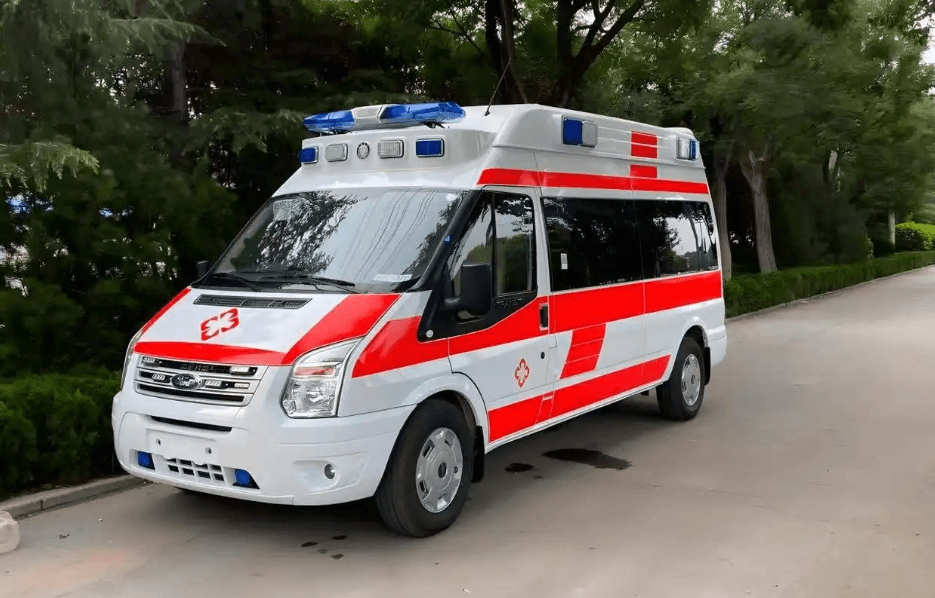
Global Ambulance Classification Overview
| Standard | Classification | Primary Application | Chassis Design |
|---|---|---|---|
| US KKK / CAAS | Type I | Heavy-duty rescue | Truck chassis with modular box |
| US KKK / CAAS | Type II | Urban transport | Standard commercial van |
| US KKK / CAAS | Type III | Advanced life support | Cutaway van with modular box |
| EU EN 1789 | Type A | Non-emergency transit | Standard van, minimal gear |
| EU EN 1789 | Type B | Emergency basic support | Modified van with treatment capability |
| EU EN 1789 | Type C | Mobile intensive care | Large chassis, full resuscitation |
Manufacturing Constraints and Electrical Architecture
Engineering emergency vehicles requires careful weight distribution analysis. Adding heavy medical equipment alters the original center of gravity. Manufacturers must upgrade suspension systems to prevent vehicle rollover during high-speed cornering. Proper axle load distribution prevents premature chassis fatigue.
Electrical system architecture is another critical manufacturing constraint. Standard vehicle alternators cannot support defibrillators, ventilators, and secondary HVAC systems simultaneously. Builders install high-output alternators and independent battery banks. Deep-cycle batteries power medical inverters to ensure stable voltage delivery.
Oxygen delivery systems demand strict safety compliance during installation. High-pressure oxygen cylinders must be securely mounted in reinforced compartments. Plumbers route pressurized gas lines far away from electrical wiring. This physical separation prevents catastrophic fires during a collision.
Interior materials must withstand aggressive chemical sanitation. Builders use fiberglass or antimicrobial composite panels for interior walls. These non-porous surfaces prevent bacterial growth and withstand daily exposure to industrial disinfectants.
Structural Integrity and Safety Compliance Standards
Passenger safety depends on rigorous structural testing of the modular box. Authorities mandate dynamic crash tests for all new medical vehicle designs. The patient compartment must retain its shape during a rollover event. Manufacturers utilize extruded aluminum frames to achieve this required rigidity.
Seat belt systems in the rear compartment face strict regulatory scrutiny. Traditional bench seating poses significant risks during sudden deceleration. Modern standards require forward-facing or rear-facing seats with multi-point harnesses. This layout securely restrains paramedics while allowing unrestricted patient access.
Acoustic insulation is an overlooked but critical safety specification. Excessive road noise impairs communication between paramedics and hospital dispatchers. Manufacturers apply specialized acoustic damping materials to the chassis floor. This minimizes mechanical vibration and creates a controlled clinical environment.
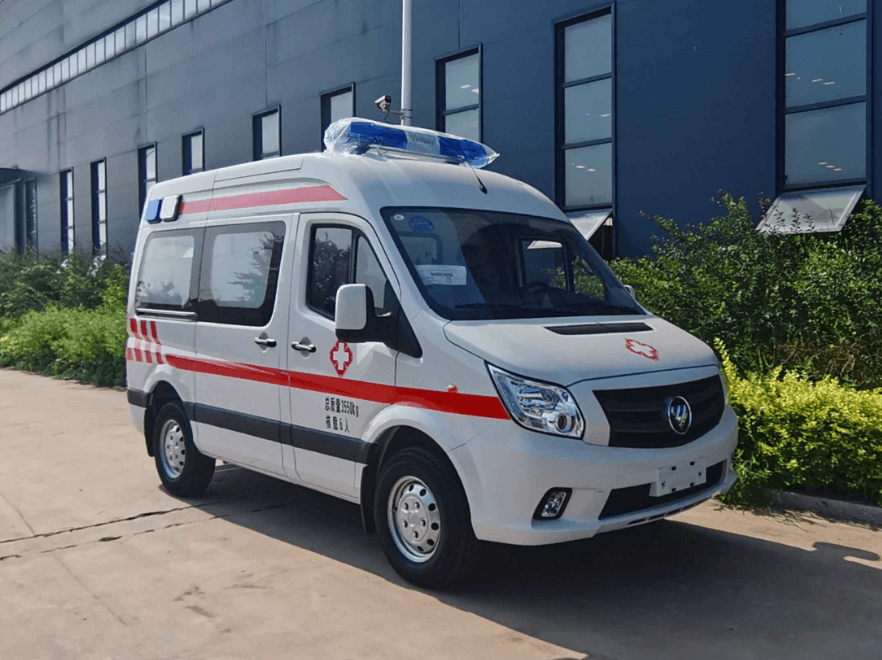
Assessing Powertrain Trends in Medical Vehicles
Urban emission regulations are changing how agencies procure transport vehicles. Electric platforms eliminate exhaust emissions and significantly reduce cabin noise. This reduction in vibration improves patient comfort during transit. Zero-emission vehicles align seamlessly with green municipal mandates globally.
Managing power in electric emergency vehicles presents unique engineering challenges. Battery drain from high-draw medical equipment can reduce driving range. Manufacturers separate the primary drivetrain battery from the medical power supply. Dedicated DC-DC conversion logic ensures life-saving equipment never depletes motive power.
Despite the shift toward electrification, internal combustion engines remain essential. Rural regions often lack reliable fast-charging infrastructure. High-torque diesel engines provide dependable performance on steep inclines and unpaved routes. Diesel platforms currently offer superior extended operational range for remote areas.
Specialized Environmental and Safety Configurations
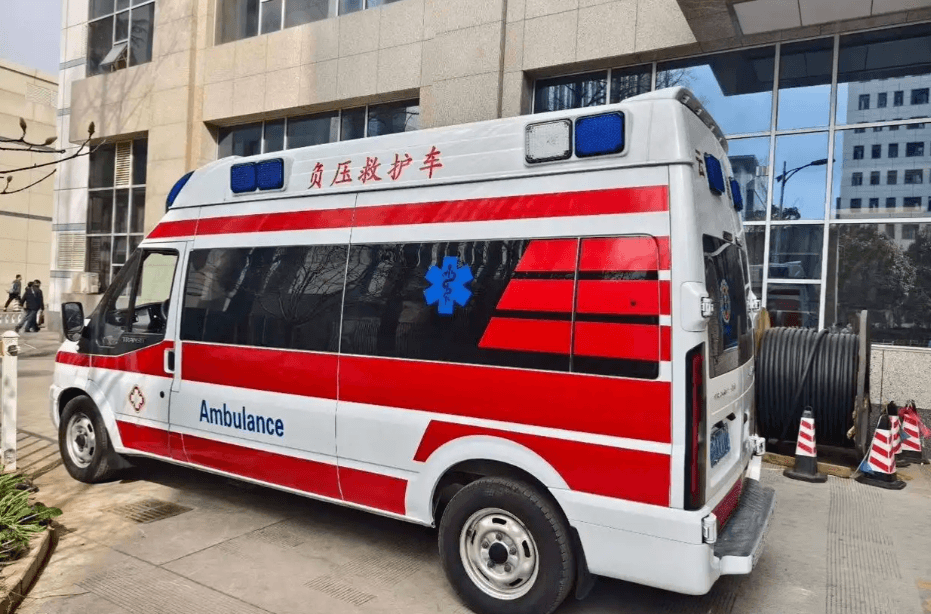
Infectious disease transport requires specialized negative pressure isolation. The vehicle ventilation system creates a precise atmospheric pressure gradient. Air flows from the cab into the patient module, preventing backward contamination. Contaminated air passes through HEPA filters before safely exhausting outside.
Extreme climates dictate rigorous thermal insulation standards. Medication and intravenous fluids lose efficacy outside specific temperature ranges. Vehicle HVAC systems must maintain interior temperatures between 20°C and 25°C. High-density polyurethane foam insulation blocks external thermal transfer efficiently.
Crash safety regulations mandate extensive static load testing for hardware. Equipment cabinets must easily withstand 10G impact forces. This structural integrity prevents oxygen tanks from becoming dangerous projectiles. Reinforced mounting brackets secure all heavy medical hardware during sudden stops.
Platform Suitability and Application Matching
Selecting the appropriate vehicle chassis depends heavily on regional infrastructure. Agencies must match vehicle capabilities with local geographic challenges. Urban hospitals prioritize maneuverability and operational efficiency. Environmental sustainability is increasingly driving these institutional fleet decisions.
Electric platforms excel in predictable urban transport routes. A Geely Battery Electric Ambulance represents this modern operational shift. It offers zero-emission transit and sufficient range for routine hospital transfers. Facilities with dedicated charging depots benefit most from this quiet setup.
Conversely, search and rescue operations demand completely different mechanical layouts. A Ford T6 Ambulance provides rugged 4x4 capabilities and superior ground clearance. This specific configuration easily navigates unpaved roads and severe weather conditions. Such platforms remain vital for remote emergency medical services.
Reference Sources
- EN 1789:2020 - European Standard for Medical Vehicles and their Equipment
- CAAS GVS v2.0 - Ground Vehicle Standard for Ambulances (Commission on Accreditation of Ambulance Services)
- KKK-A-1822F - Federal Specification for the Star-of-Life Ambulance (United States General Services Administration)
- NFPA 1917 - Standard for Automotive Ambulances (National Fire Protection Association)