
Selecting a reliable ambulance manufacturer in China requires more than just comparing price quotes. For emergency medical services (EMS) providers, government health departments, and private hospitals, the priority is the synergy between automotive engineering and life-saving medical environments. China has evolved from a low-cost assembly hub into a sophisticated manufacturing ecosystem capable of producing high-end ICU ambulances, negative pressure units, and rugged 4x4 emergency vehicles on world-class chassis like Mercedes-Benz, Ford, and Iveco.
Understanding Ambulance Classifications and Technical Standards
In the global market, an ambulance is not a "one-size-fits-all" product. Manufacturers in China generally categorize vehicles based on the European EN 1789 standard or the US KKK-A-1822F specs, though regional adaptations are common.
- Type A (Patient Transport): Designed for the transport of a single patient who is not expected to become an emergency patient.
- Type B (Emergency Ambulance): Designed for the transport and basic treatment of patients.
- Type C (Mobile Intensive Care Unit - MICU): Designed for the transport, advanced treatment, and monitoring of patients requiring intensive care.
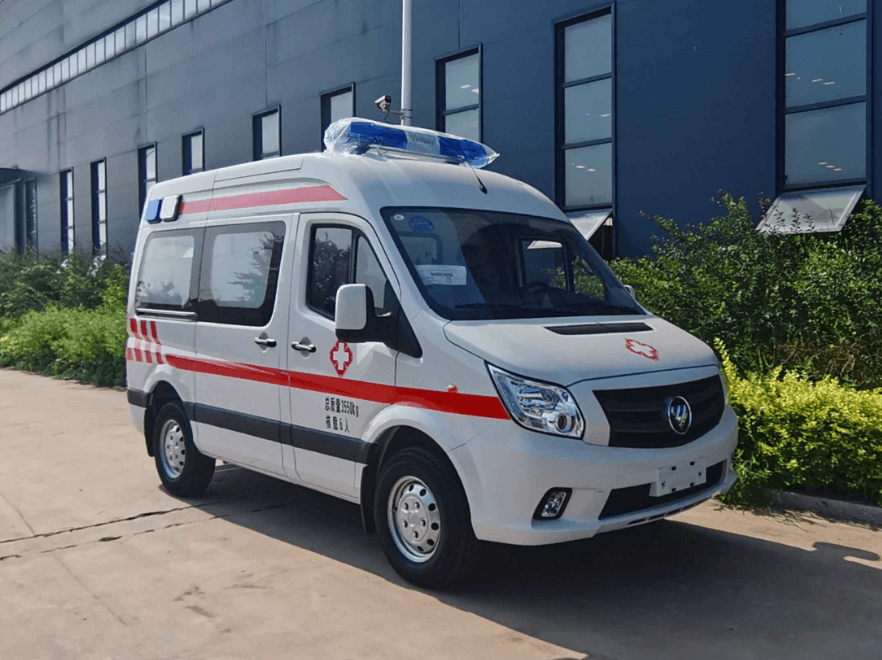
When evaluating an ambulance manufacturer in China, the first technical hurdle is the "Medical Cabin" integration. Professional manufacturers do not simply "bolt-in" equipment. They utilize integrated vacuum-forming or composite interior panels that are anti-bacterial, flame-retardant, and easy to disinfect. According to engineers at CN Special Vehicle, the transition from traditional wooden interiors to medical-grade ABS or aluminum alloy materials is a primary marker of a high-tier manufacturer.
Key Technical Specifications for Quality Evaluation
To ensure the vehicle meets the rigorous demands of 24/7 emergency response, procurement officers must look beyond the exterior paint.
Negative Pressure Systems (The Post-Pandemic Standard)
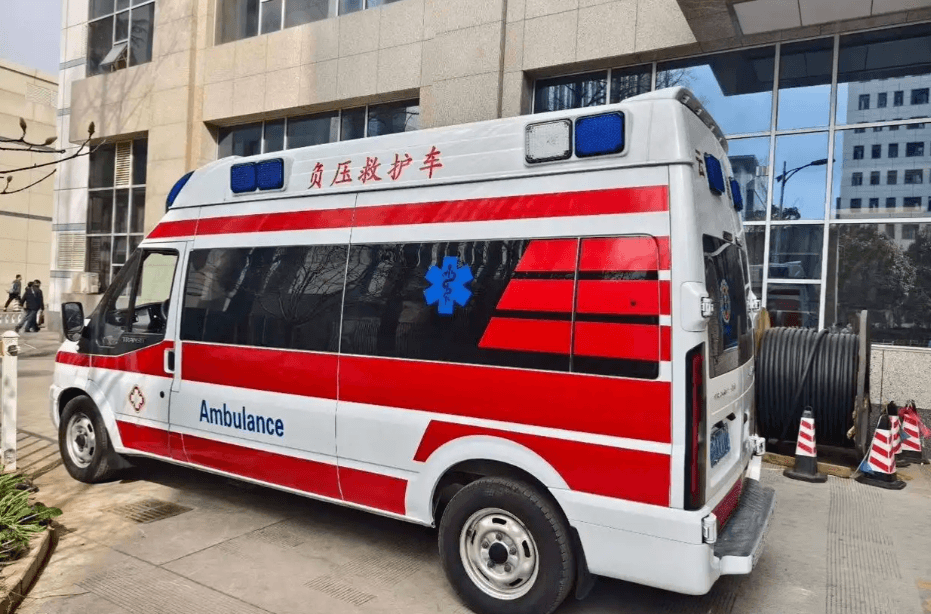
For infectious disease control, negative pressure technology is critical. A high-quality Chinese ambulance should maintain a pressure difference of -20Pa to -30Pa compared to the outside atmosphere, with a filtration efficiency of 99.97% for particles as small as 0.3μm. This requires a dedicated ventilation system separate from the driver’s cabin.
Electrical System & Power Inverters
Modern MICUs carry high-draw equipment: ventilators, defibrillators, and infusion pumps. Look for manufacturers that install:
- Pure Sine Wave Inverters: Crucial for protecting sensitive medical electronics.
- Dual Battery Systems: Ensuring the engine can always start even if medical lights/equipment have been running while stationary.
- Intelligent Control Panels: Centralized touchscreens for oxygen monitoring, lighting, and climate control.
Oxygen Supply Integration
Safety standards require the oxygen pipeline to be concealed yet accessible. High-end manufacturers use seamless copper or high-pressure stainless steel lines with automatic changeover valves to ensure a continuous supply of medical oxygen during transport.
| Feature | Basic Transport Ambulance | Advanced ICU/MICU Ambulance |
|---|---|---|
| Chassis Options | Ford V362, Toyota Hiace | Mercedes Sprinter, Ford V363, Iveco |
| Interior Material | Flame-retardant PVC/ABS | Integrated Anti-bacterial Composite |
| Oxygen System | 2x 7L Cylinders | 2x 10L/15L Cylinders w/ Central Manifold |
| Medical Equipment | Basic Stretcher, First Aid Kit | Ventilator, Defibrillator, Suction, Monitor |
| Power Supply | 1000W Inverter | 2000W-3000W Pure Sine Wave Inverter |
Choosing the Right Chassis: Compatibility and Maintenance
A major advantage of sourcing from a specialized ambulance manufacturer in China is the diversity of the chassis supply chain. The chassis determines the vehicle’s lifespan and the ease of local maintenance in your home country.
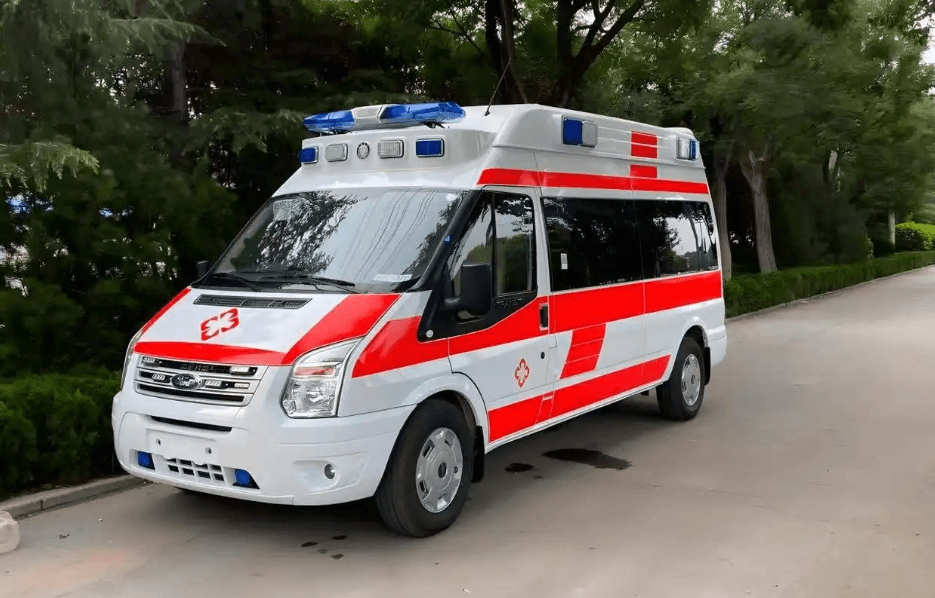
- Ford Transit (V348/V363): The global standard. Parts are available everywhere, making it the top choice for international tenders.
- Mercedes-Benz Sprinter: Ideal for high-end ICU conversions where brand prestige and ride comfort are paramount.
- Iveco Daily: Preferred for heavier "Box-Type" (Modular) ambulances due to its robust ladder-frame chassis.
- Toyota Hiace/Commuter: Highly popular in Southeast Asia and Africa for its legendary reliability and simple mechanical maintenance.
Manufacturers like CN Special Vehicle offer specialized 4x4 configurations, such as the Maxus or specialized off-road chassis, for rural or mountainous regions where standard rear-wheel-drive ambulances struggle.
The Manufacturing Workflow and Quality Control
Professional ambulance conversion is a multi-stage engineering process. Understanding this workflow helps in auditing a factory:
- Reinforcement & Insulation: The van’s shell is reinforced to support the weight of medical cabinets and overhead grab rails. High-density thermal and acoustic insulation is applied.
- Electrical Harnessing: Unlike standard vehicles, ambulances require a complex, independent wiring loom. Look for manufacturers using "Automotive Grade" wires with clear labeling and circuit protection.
- Interior Fitting: Precision-cut medical cabinets are installed. High-quality manufacturers use rounded edges (radius corners) to prevent injury to paramedics during sudden braking.
- Equipment Integration: Loading the stretcher (foldable, automatic loading, or air-suspension platforms) and mounting the specialized medical devices.
- Final Testing: This includes water-leakage tests, electrical load testing, and "Road Simulation" to ensure the interior fittings remain silent and secure under vibration.
Procurement Logistics: From MOQ to Export
When transitioning from research to transaction, commercial buyers must navigate the logistics of "Special Vehicles."
- Customization (OEM/ODM): Most Chinese manufacturers allow for specific medical equipment brands (e.g., Mindray, Zoll, or Weinmann) to be integrated at the factory.
- Minimum Order Quantity (MOQ): While some manufacturers accept 1-unit orders, the best shipping economy is often found at 2-4 units (fitting into a 40ft HQ container).
- Certifications for Export: Ensure the manufacturer provides the Certificate of Conformity (CoC), ISO 9001, and specific medical device registrations required by your local Ministry of Health.
- Lead Times: A standard conversion typically takes 15–30 days after the chassis is secured. However, specialized negative pressure units or complex box-body builds may take 45+ days.
Why Verified Sourcing Matters
The ambulance market in China is divided between "Trading Houses" and "Physical Factories." Partnering directly with a manufacturer that has an in-house engineering team—rather than just a sales office—is vital for long-term technical support. If a circuit board for your oxygen system fails three years later, a physical factory can provide the exact wiring diagram and replacement part; a middleman might no longer exist.
Reference Sources
- ISO 13485: Medical devices — Quality management systems — Requirements for regulatory purposes.
- EN 1789:2020: European standard for Medical vehicles and their equipment - Road ambulances.
- SGS Testing Services: Technical inspection and certification for specialty vehicle exports.
- World Health Organization (WHO): Technical specifications for Emergency Medical Teams (EMT) vehicles.