
The landscape of disaster response is shifting from manual intervention to high-tech, integrated mobility. For global procurement officers, government agencies, and fleet managers, the 2026 Beijing Emergency Rescue Technology Exhibition represents more than just a trade show; it is a critical benchmarking event for the next generation of emergency rescue vehicles in China.
As China continues to consolidate its position as a global manufacturing hub for specialized automotive engineering, this exhibition serves as the primary stage for launching vehicles that integrate 5G connectivity, UAV (Unmanned Aerial Vehicle) swarms, and ruggedized chassis capable of navigating the most hostile environments on earth.
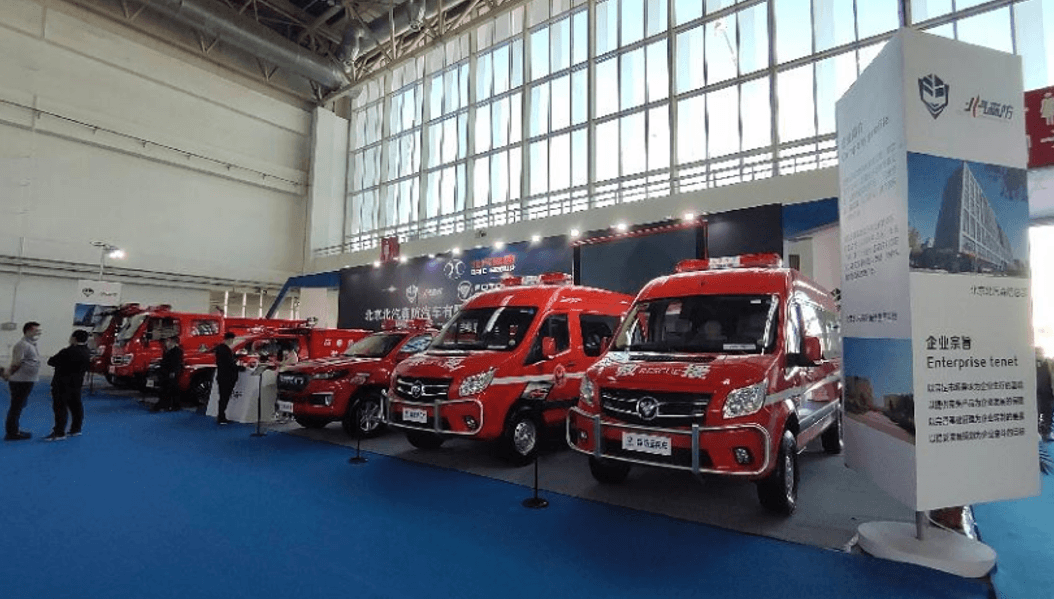
The Evolution of Emergency Rescue Vehicle Manufacturing in China
Historically, the Chinese rescue vehicle market was dominated by modified commercial chassis with imported pumps or specialized equipment. However, the 2026 horizon shows a significant shift toward full-stack domestic innovation. Tier-1 manufacturers are now moving beyond assembly to ground-up engineering of modular platforms.
Modern emergency rescue vehicles seen at the Beijing exhibition are no longer static assets. They are "smart nodes" in a larger tactical network. Engineers are now focusing on:
- Integrated Communication Hubs: Vehicles equipped with Low Earth Orbit (LEO) satellite links to maintain connectivity when local towers fail.
- Modular Body Construction: Utilizing lightweight aluminum alloys and composite materials to increase payload capacity for heavy-duty rescue tools without exceeding Gross Vehicle Weight (GVW) limits.
- All-Terrain Adaptability: Advanced 4x4 and 8x8 drive systems specifically tuned for the high-altitude and seismic-prone regions of Western China, now being exported to global markets.
Key Vehicle Categories to Evaluate at the 2026 Beijing Exhibition
When walking the floor in Beijing, commercial buyers must distinguish between standard municipal units and high-performance tactical vehicles. The following categories are expected to dominate the 2026 showcase:
Rapid Response & All-Terrain Command Vehicles
These are the "first-in" units. Look for OEMs showcasing shortened wheelbases and high-torque diesel or hybrid engines. The focus here is on approach and departure angles, essential for navigating debris-strewn urban environments or mountainous terrain.
High-Altitude and Large-Flow Firefighting Units
For industrial and petroleum fire response, Chinese manufacturers have made leaps in pump technology. At the 2026 exhibition, expect to see units capable of delivering 10,000+ liters per minute, with integrated foam proportioning systems that meet international UL or EN standards.
Mobile Medical and CBRN Detection Units
Post-pandemic engineering has accelerated the development of negative-pressure ambulances and mobile ICU units. The most advanced models at the exhibition will feature Chemical, Biological, Radiological, and Nuclear (CBRN) filtration systems, allowing medical teams to operate in contaminated zones.
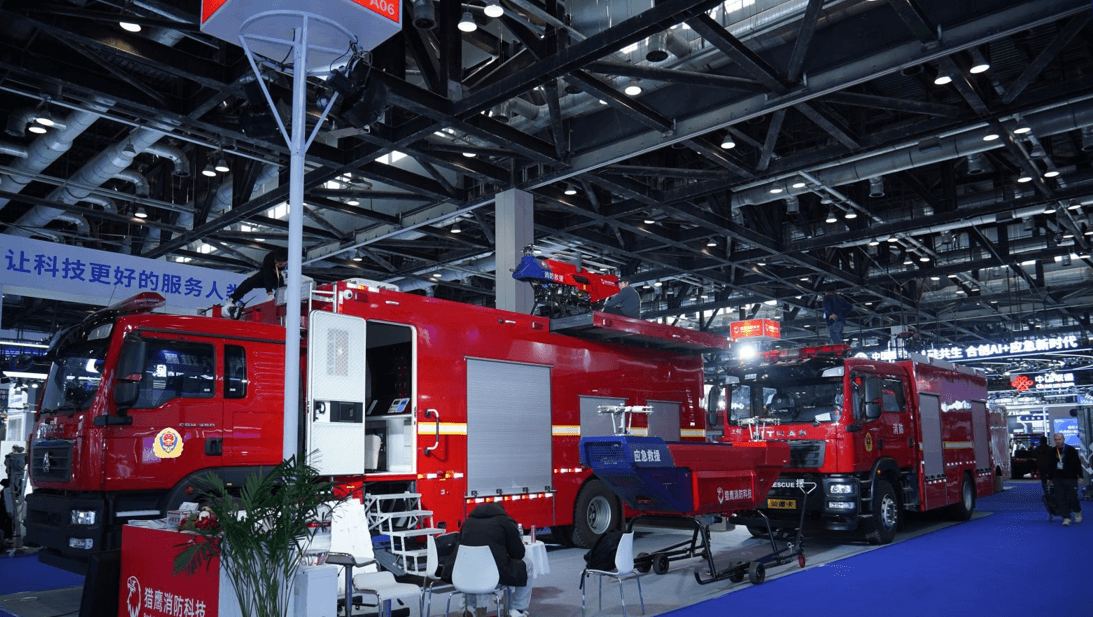
Technical Benchmarking: What Separates Tier-1 OEMs?
For a B2B buyer, the "polish" on a vehicle is secondary to the engineering logic beneath the surface. To maximize the value of your visit to the emergency rescue vehicle China exhibition, focus on these technical differentiators:
|
||||||||||||||||||
|---|---|---|---|---|---|---|---|---|---|---|---|---|---|---|---|---|---|---|
Sourcing Strategy: Navigating the Commercial Landscape
Sourcing from a Chinese exhibition requires a structured evaluation of manufacturing maturity. A professional procurement workflow should prioritize the following:
Verification of Certification Compliance
While many vehicles look impressive, ensure the manufacturer holds relevant certifications such as the CCC (China Compulsory Certification) for the domestic market, and more importantly, CE, NFPA (National Fire Protection Association), or EN 1789 for international deployment. Ask specifically for test reports on roll-over protection and braking distances under full load.
Customization and OEM/ODM Capability
The most valuable suppliers in Beijing are those offering "Mission-Specific" customization. A standard chassis may not suffice for a tropical rainforest environment or a sub-zero arctic mission. Evaluate the manufacturer’s engineering team—do they have the CAD/CAE capacity to modify the superstructure without compromising vehicle stability?
After-Sales and Lifecycle Support
An emergency vehicle is a 10-to-15-year asset. Confirm the availability of spare parts for the specific specialized components (pumps, hydraulics, telescopic masts). Tier-1 Chinese exporters now offer "Service Cloud" platforms where overseas clients can receive real-time technical support via AR (Augmented Reality) headsets.
2026 Trends: The Rise of NEV (New Energy Vehicle) Rescue Platforms
The 2026 Beijing exhibition will likely be a turning point for Electric and Hydrogen-powered rescue vehicles. Driven by China’s aggressive "Dual Carbon" goals, we are seeing the emergence of:
- Electric Fire Trucks: Ideal for municipal tunnels and indoor facilities where exhaust fumes are a hazard.
- Hydrogen Fuel Cell Command Centers: Providing long-endurance silent power for off-grid operations without the noise and heat signature of diesel generators.
From a commercial perspective, while the upfront cost of NEV rescue platforms is higher, the total cost of ownership (TCO) is falling due to reduced mechanical maintenance and the integration of regenerative braking systems which are highly effective for heavy specialized vehicles.
Procurement Advisory for International Delegations
If you are attending the 2026 Beijing Emergency Rescue Technology Exhibition with the intent to purchase, move beyond the brochure. Request "Factory Acceptance Test" (FAT) protocols. Most top-tier manufacturers located in provinces like Shandong, Jiangsu, or Guangdong will arrange high-speed rail transfers from Beijing to their production facilities for serious buyers.
In the emergency sector, reliability is the only currency that matters. Use the Beijing exhibition to vet not just the vehicle, but the engineering philosophy of the people building it.
Reference Sources:
- China Fire Protection Association (CFPA): Guidelines on Fire Engine Manufacturing Standards.
- International Organization for Standardization (ISO): ISO 9001:2015 for Automotive Quality Management.
- NFPA 1901: Standard for Automotive Fire Apparatus (Comparison benchmarks).
- Ministry of Emergency Management of the PRC: Official 2026 Exhibition Directives and Safety Standards.