
The evolution of emergency medical services (EMS) has shifted the role of the ambulance from a simple transport vehicle to a sophisticated, mobile clinical environment. In the global manufacturing landscape, particularly within China’s specialized vehicle sector, the distinction between "standard transport" and "specialized medical units" is defined by rigorous engineering standards, electrical redundancy, and integrated life-support systems.
Understanding the nuances of specialized ambulance types is critical for healthcare providers, government procurement officers, and hospital administrators. Selecting the right platform involves balancing chassis capability with the specific clinical requirements of the patient demographic. For a broader overview of how these vehicles are categorized globally, analyzing the various specialized ambulance types reveals the critical shift from basic patient transit to advanced mobile intensive care.
The Engineering Logic Behind Specialized Ambulance Types
Specialized ambulances are categorized not just by their appearance, but by their internal medical capabilities and the technical standards they meet (such as EN 1789 or China’s GB 17945). At the manufacturing level, the transition from a standard van to a specialized medical vehicle involves complex structural reinforcements and the integration of specialized medical-grade systems.
ICU (Intensive Care Unit) Ambulances: The Mobile ER
Often referred to as Type C ambulances in European standards, the ICU ambulance is designed for the transport of high-risk patients requiring continuous monitoring. Manufacturers integrate pure sine wave inverters and redundant battery systems to ensure that ventilators and defibrillators operate without interruption. The interior layout is optimized for "360-degree patient access," allowing paramedics to reach the patient’s head and sides simultaneously.
Neonatal Transport Vehicles: Precision Engineering
Neonatal ambulances (NICU transport) represent the pinnacle of specialized medical vehicle engineering. These units are specifically designed to transport premature infants between birthing centers and specialized pediatric hospitals. The primary challenge is vibration control; therefore, manufacturers utilize air suspension systems and vibration-isolated floors to protect the neonate from road stress.
Negative Pressure Ambulances: Bio-Hazard Containment
Heightened by global health challenges, the negative pressure ambulance has become a staple for infectious disease transport. These vehicles utilize a specialized HVAC system to create a pressure gradient between the patient cabin and the external environment. The air is pulled through HEPA filters before being exhausted, ensuring that pathogens are not released into the atmosphere.
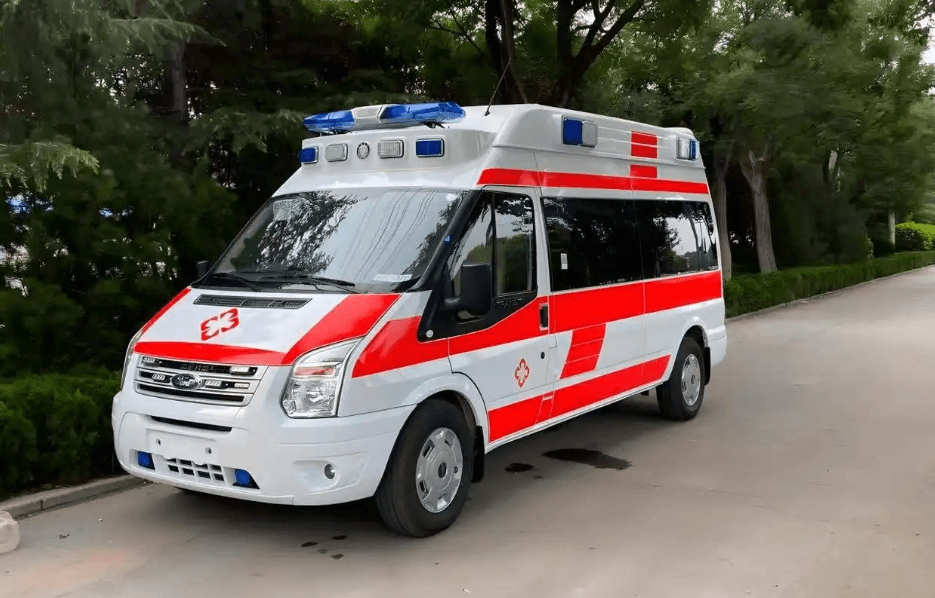
Comparative Analysis of Specialized Ambulance Specifications
| Feature | ICU Ambulance | Neonatal Ambulance | Negative Pressure Unit |
|---|---|---|---|
| Primary Goal | Life support & stability | Vibration control | Pathogen containment |
| Air Exchange | Standard Medical HVAC | Climate-controlled | HEPA-filtered |
| Power Needs | High (Ventilators) | Critical (Incubators) | Moderate |
| Chassis Preference | High-roof (Transit/Iveco) | High-roof (Mercedes) | Standard or High-roof |
Customization and OEM Procurement Logic
In the B2B procurement cycle, the "off-the-shelf" ambulance is rarely sufficient for specialized medical needs. Customization is where the engineering expertise of the manufacturer is truly tested. When evaluating a range of specialized ambulances for a hospital fleet, several manufacturing constraints must be considered.
Chassis Selection and Weight Distribution
The choice of chassis dictates the payload capacity. Specialized equipment—such as hydraulic stretchers and large oxygen tanks—adds significant weight. Engineers must calculate the center of gravity to ensure the vehicle remains stable during high-speed emergency maneuvers.
Medical Layout Optimization
The "Golden Hour" of emergency medicine dictates that every second counts. A well-designed specialized ambulance places suction units and telemetry monitors within the ergonomic "reach zone" of the seated medic. This reduces the need for the medic to unbuckle their harness while the vehicle is in motion, significantly increasing safety.
Compliance and Certification
For international procurement, vehicles must meet specific regional standards. This includes electromagnetic compatibility (EMC) testing. This ensures that the vehicle’s radio systems do not interfere with sensitive medical monitors like ECGs or ventilators.
- Emergency vs Non-Emergency Ambulance: Complete Guide for Global Buyers
- Type I vs Type II vs Type III Ambulance: Global Buyer Guide from China
- What Is the Difference Between BLS and ALS Ambulances?
- China Ambulance Manufacturer Guide: Quality Standards & Sourcing
- Top 10 Ambulance Vehicle Manufacturers in China: 2026 Ranking & Buyer’s Guide
Selecting the Right Specialized Ambulance Manufacturer
When sourcing from specialized vehicle hubs, it is essential to look for manufacturers that offer more than just assembly. A true OEM partner provides:
- Integrated Medical Gas Systems: Certified piping and leak-testing protocols.
- Electrical Load Analysis: Detailed reports on battery cycles and inverter efficiency.
- Material Traceability: Use of fire-retardant and non-toxic materials for the interior cabinetry.
For organizations looking to expand their emergency response capabilities, the transition to specialized fleets is a strategic investment in patient outcomes. By understanding the technical differences between an ICU unit and a standard transport vehicle, procurement teams can ensure they are deploying the most effective tools for their specific clinical environment.

Reference Sources
- CEN (European Committee for Standardization): EN 1789:2020 - Medical vehicles and their equipment
- Standardization Administration of China: GB 17945 - Requirements for Medical Vehicle Construction
- World Health Organization (WHO): Technical Specifications for Ambulances
- National Association of State EMS Officials (NASEMSO): Ambulance Engineering Standards