
The landscape of global emergency response is undergoing a fundamental shift toward electrification, real-time connectivity, and modularity. The 2026 Beijing Emergency Vehicle Exhibition stands as the premier gateway for OEMs, municipal procurement officers, and emergency service providers to evaluate these next-generation technologies. This event showcases the critical intersection of automotive engineering and life-saving hardware.
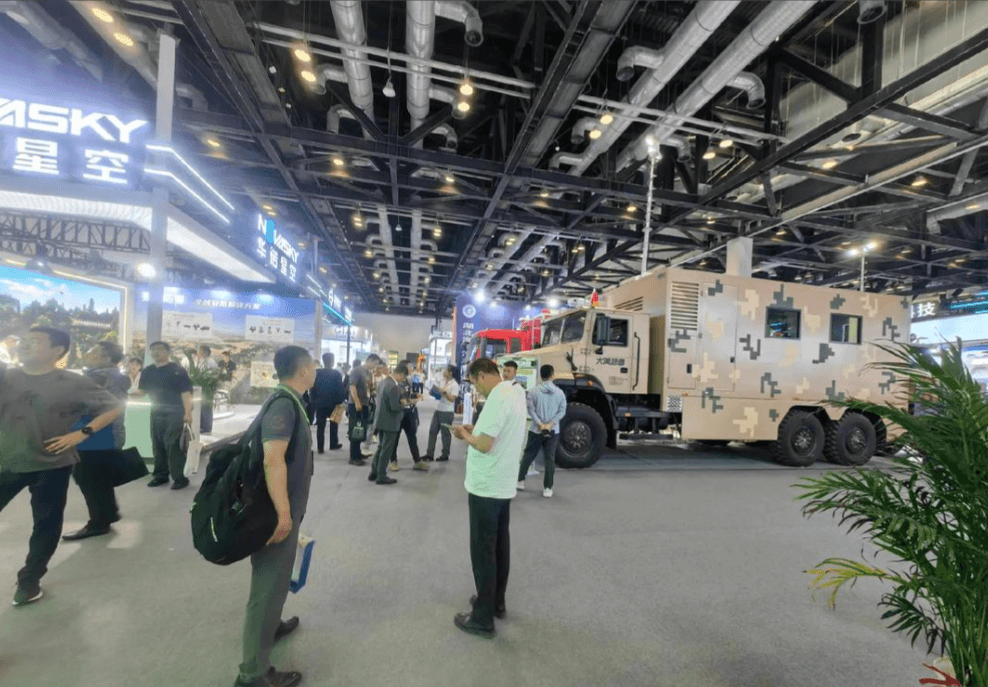
Why the 2026 Beijing Emergency Vehicle Exhibition Defines Industry Standards
This exhibition is not merely a display of new hardware; it is a benchmark for manufacturing compliance and integration capability. As cities move toward "Smart City" infrastructures, emergency vehicles must function as mobile data hubs.
The 2026 event emphasizes the transition from traditional internal combustion engines to specialized New Energy Vehicle (NEV) platforms. Engineering teams from across the globe attend to analyze how high-voltage battery systems are integrated into heavy-duty fire trucks and high-speed ambulances.
For the professional buyer, the exhibition provides a rare opportunity to vet the manufacturing workflows of Tier 1 suppliers. Understanding the "behind-the-scenes" of body-in-white (BIW) construction for specialized vehicles is essential for long-term fleet durability.
Key Technical Comparisons: Traditional vs. Smart Emergency Vehicles
Navigating the 2026 Beijing Emergency Vehicle Exhibition requires a clear understanding of how legacy systems compare to emerging digital-first platforms. Procurement teams must weigh the reliability of mechanical systems against the efficiency of AI-driven solutions.
| Feature | Traditional Emergency Vehicles | Next-Gen Smart Vehicles (2026 Trends) |
|---|---|---|
| Power Source | Diesel/Gasoline (ICE) | Electric (BEV) or Hydrogen Fuel Cell (FCEV) |
| Communication | Analog Radio / Basic GPS | 5G-Enabled / Satellite Redundancy / IoT |
| Structure | Fixed Body-on-Frame | Modular "Plug-and-Play" Pod Systems |
| Diagnostics | Manual Inspection / Periodic | Real-time Remote Telematics & Predictive Maintenance |
| Integration | Isolated Hardware Components | Unified Software-Defined Vehicle (SDV) Architecture |
Advanced Modular Manufacturing in Emergency Response
One of the most significant shifts at the 2026 Beijing Emergency Vehicle Exhibition is the rise of modularity. Manufacturers are moving away from monolithic designs in favor of interchangeable mission modules.
A single electric chassis can now be reconfigured from a mobile command center to a high-capacity ambulance in minimal time. This flexibility reduces the Total Cost of Ownership (TCO) for municipal departments.
Engineers at the event will demonstrate how "sandwich panel" construction and lightweight carbon-fiber reinforcements are replacing heavy steel. These materials improve the power-to-weight ratio, which is critical for EV range and rapid acceleration in emergency scenarios.
How to Evaluate OEM Capability at the Exhibition
When walking the floor of the 2026 Beijing Emergency Vehicle Exhibition, procurement specialists should look beyond the aesthetic of the vehicle. The true value lies in the engineering tolerances and the certification portfolio of the manufacturer.
- Chassis-Body Integration: Inspect how the specialized body is mounted to the chassis. Look for advanced vibration-dampening mounts that protect sensitive medical or communication equipment.
- Electrical Architecture: Evaluate the Power Distribution Unit (PDU). In 2026, the ability to manage high-draw emergency equipment without compromising vehicle range is a key differentiator.
- Material Compliance: Ensure all interior materials meet the latest flame-retardant and anti-microbial standards. These are often verified via ISO or GB (Guobiao) testing reports available at the booths.
- After-Sales Ecosystem: A manufacturer is only as good as its spare parts availability. Use the exhibition to confirm lead times for specialized components like hydraulic pumps or high-pressure nozzles.
The Role of AI and Autonomous Navigation in 2026
The integration of Level 3 and Level 4 autonomous features will be a focal point at the 2026 Beijing Emergency Vehicle Exhibition. Autonomous drones launched from the roofs of command vehicles are no longer conceptual; they are operational tools for situational awareness.
These systems rely on LiDAR and multi-spectral cameras to navigate dense urban environments or disaster zones where GPS might be compromised. The exhibition allows technical directors to test the latency of these remote-operated systems in real-time.
Furthermore, AI-driven dispatch algorithms are being integrated directly into the vehicle's cockpit. This allows for dynamic routing that accounts for real-time traffic, weather, and even the "structural health" of the vehicle during high-speed transit.
Procurement Logistics: Navigating Lead Times and Customization
For B2B buyers, the 2026 Beijing Emergency Vehicle Exhibition serves as a critical negotiation hub. The complexity of emergency vehicles often leads to long production cycles, sometimes exceeding 12 to 18 months.
Engaging with manufacturers during the event allows for early-stage design consultations. Many exhibitors offer "white-label" OEM services where the chassis and interior can be customized to meet specific regional regulations (such as EN1789 for ambulances).
Successful procurement requires a deep dive into the supplier’s supply chain resilience. Ask about the origin of critical components like battery cells, hydraulic actuators, and specialized alloy steels to mitigate future maintenance risks.
Reference Sources
- ISO 7101: Healthcare organization management — Management systems for quality in healthcare organizations (relevant for EMS vehicle integration).
- EN 1789: European standard for medical vehicles and their equipment.
- NFPA 1901: Standard for Automotive Fire Apparatus.
- GB Standards (China): National standards for motor vehicle safety and specialized emergency equipment.
- IEEE Xplore: Research papers on 5G latency in emergency response autonomous systems.