
The global landscape for special purpose vehicles (SPV) is undergoing a radical shift driven by electrification, autonomous operation, and modular manufacturing. For procurement managers and fleet operators, the Shanghai Special Vehicle Exhibition 2026 represents the most critical hub for discovering these advancements. This exhibition is not merely a display of hardware; it is a preview of the supply chain's future, where traditional chassis engineering meets advanced software integration.
As China continues to dominate the New Energy Vehicle (NEV) market, the 2026 showcase will focus heavily on how heavy-duty specialized equipment transitions from internal combustion engines (ICE) to sustainable platforms. This guide provides the technical and commercial framework necessary to navigate the event and identify high-value manufacturing partners.
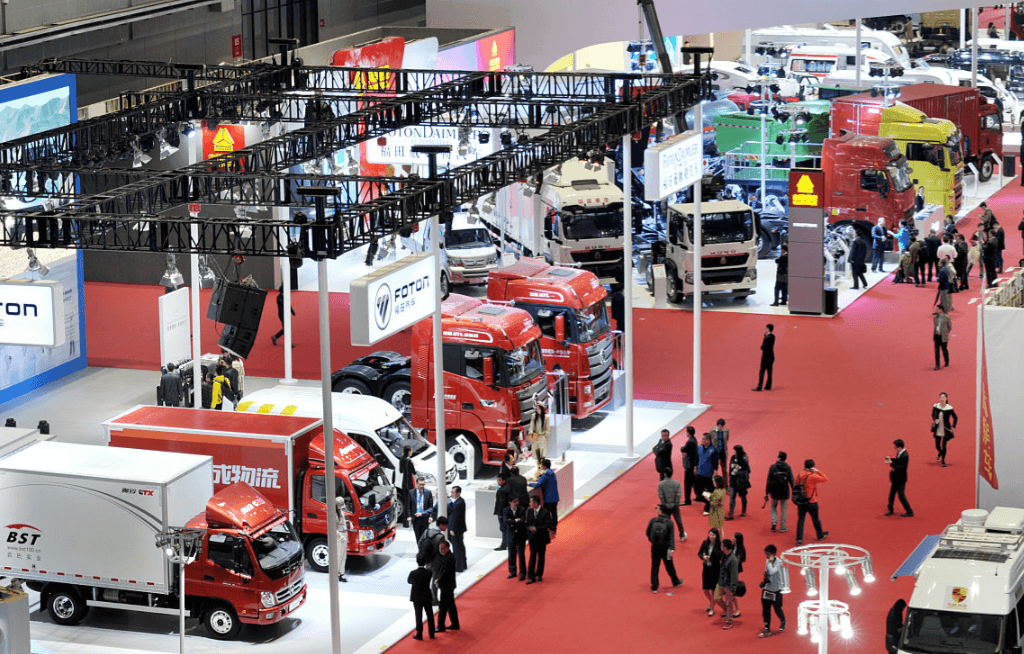
Why the 2026 Shanghai Special Vehicle Exhibition is a Strategic Pivot Point
The special vehicle industry—encompassing everything from municipal sanitation and emergency services to cold-chain logistics and high-altitude work platforms—is no longer just about mechanical durability. The 2026 exhibition marks a threshold where "smart" features become standard.
For international buyers, this event serves as a primary sourcing ground for:
- NEV Chassis Integration: Chinese OEMs have accelerated the development of dedicated electric chassis for vocational trucks, moving away from "retrofitted" ICE designs.
- Modular Superstructures: Advances in lightweight materials and standardized mounting interfaces that reduce assembly time and shipping costs for export markets.
- Telematics and Fleet Automation: Integrated IoT sensors that provide real-time data on PTO (Power Take-Off) usage, hydraulic pressure, and payload efficiency.
Technical Sectors: What to Prioritize on the Show Floor
Navigating the massive floor plan of the Shanghai Special Vehicle Exhibition requires a targeted approach based on engineering requirements and operational environment.
Emergency and Fire Rescue Equipment
Expect to see a heavy emphasis on high-reach aerial platforms and rapid-response vehicles equipped with remote-controlled fire monitors. In 2026, the focus is on "unmanned" assistance—drones integrated into the vehicle’s command center for real-time situational awareness.
Cold Chain and Specialized Logistics
With global demand for pharmaceutical and fresh-food logistics rising, the exhibition will highlight multi-temperature zone reefers. Technical scrutiny should be placed on the insulation R-values of the sandwich panels and the integration of electric standby cooling units that run independently of the main traction battery.
Municipal and Environmental Sanitation
This sector is the fastest to adopt full electrification. Look for "glider" chassis configurations where the manufacturer provides the electric drivetrain, allowing local bodybuilders to install specialized sweeping or refuse collection equipment.
| Feature | Traditional ICE SPV | 2026 NEV Special Vehicle |
|---|---|---|
| Power Source | Diesel Engine / Hydraulic PTO | Lithium-ion/Solid-state Battery / Electric PTO |
| Maintenance | High (Engine, Transmission, Fluids) | Low (Simplified Drivetrain, Regenerative Braking) |
| Total Cost of Ownership (TCO) | Lower Initial Capex / Higher OpEx | Higher Initial Capex / Significantly Lower OpEx |
| Noise Level | 85-100 dB | 60-70 dB (Ideal for Night Operations) |
Evaluating Chinese SPV Manufacturers
When visiting the Shanghai Special Vehicle Exhibition, commercial visitors must look beyond the glossy paint. Real-world manufacturing logic dictates a deeper dive into the supplier’s technical capabilities and compliance pedigree.
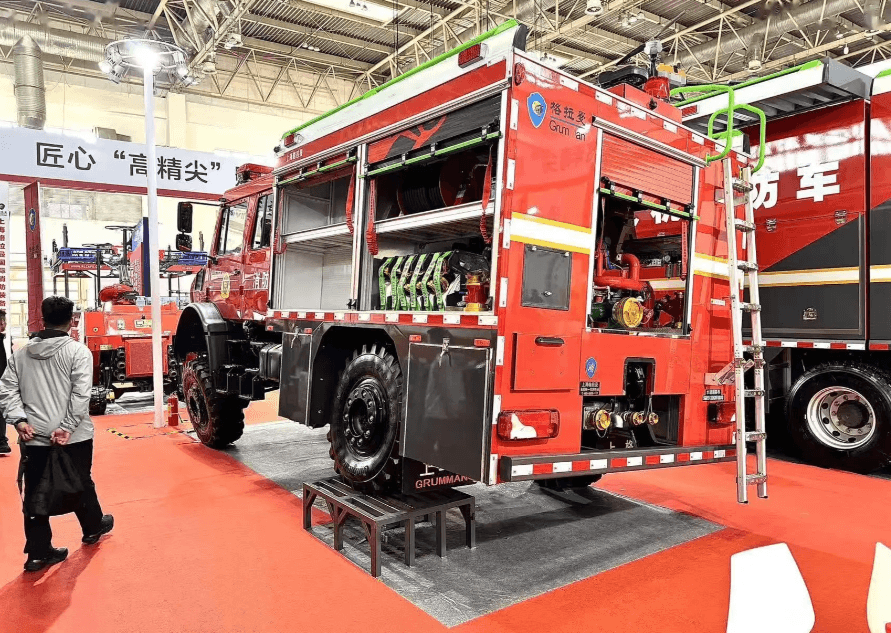
Engineering Synergy: Chassis vs. Superstructure
One of the most critical points for an OEM project manager is the synergy between the chassis and the body. At the exhibition, ask suppliers about their CAN-bus integration. Does the body control unit communicate seamlessly with the chassis' electronic control unit (ECU)? For international markets, this ensures that safety features like ABS and ESP remain functional after the body is mounted.
Material Specifications and Weight Management
In the SPV world, every kilogram of curb weight saved is a kilogram of extra payload. Leading manufacturers in 2026 will showcase high-strength steel (HSS) and aluminum alloy structures. Inquire about the welding technologies used—robotic CMT (Cold Metal Transfer) welding is often a sign of a high-maturity production line capable of consistent export quality.
Certification and Compliance
For buyers from Europe, North America, or Oceania, compliance is the ultimate deal-breaker. Ensure the exhibitors can provide documentation for:
- WVTA (Whole Vehicle Type Approval): Essential for EU markets.
- DOT/FMVSS Compliance: Required for the United States.
- CE Certification: For the auxiliary equipment and hydraulic systems.
- ISO 9001 & IATF 16949: The gold standard for automotive quality management systems.
The Shift to "Special Vehicle 4.0": Key Trends to Watch
The 2026 edition of the Shanghai Special Vehicle Exhibition will likely be defined by three "4.0" trends that provide the highest ROI for early adopters:
- Hydrogen Fuel Cell Power: For heavy-duty applications like long-haul refrigerated transport or heavy recovery vehicles where battery weight is prohibitive, hydrogen is becoming the preferred zero-emission solution.
- Autonomous Vocational Platforms: Mining trucks and port AGVs (Automated Guided Vehicles) will transition from "assisted" to "Level 4 Autonomous," significantly reducing labor costs in controlled environments.
- Digital Twin Serviceability: Leading OEMs now offer a "Digital Twin" of the vehicle, allowing fleet managers to simulate wear and tear on specialized components (like hydraulic rams or crane booms) before they fail.
Sourcing Strategy: Navigating the RFQ Process
If your goal is to move from "browsing" to "procurement," the Shanghai Special Vehicle Exhibition is the best place to initiate the RFQ (Request for Quote) process. However, SPV procurement differs from standard automotive sourcing due to the high level of customization.
- Define Your Duty Cycle: Before approaching a booth, have a clear profile of the vehicle’s operating environment (e.g., ambient temperature, incline, daily hours of operation).
- Discuss "Knock-Down" (KD) Options: To save on import duties and shipping, ask if the manufacturer offers SKD (Semi-Knock Down) or CKD (Completely Knock Down) kits.
- Verify After-Sales Support: The most common failure in international SPV sourcing is the lack of local spare parts. Prioritize manufacturers who have established service centers or partnerships in your region.
Conclusion
The Shanghai Special Vehicle Exhibition 2026 is the premier venue for stakeholders to witness the convergence of heavy industry and high technology. By focusing on chassis-body integration, energy efficiency, and stringent compliance standards, procurement professionals can secure a competitive edge in an increasingly de-carbonized global market.
Reference Sources
- MIIT (Ministry of Industry and Information Technology of China): Guidelines on the Development of New Energy Special Purpose Vehicles.
- SAE International: Technical standards for vocational vehicle telematics and J1939 CAN-bus protocols.
- ISO 3834: Quality requirements for fusion welding of metallic materials—critical for SPV structural integrity.
- China Association of Automobile Manufacturers (CAAM): Annual report on the specialized vehicle export market trends.
- International Organization of Motor Vehicle Manufacturers (OICA): Global production statistics for heavy and special-purpose vehicles.