
The global landscape for emergency vehicle procurement has shifted significantly, with China emerging as a primary hub for fire apparatus manufacturing. For municipal departments, industrial plants, and private safety contractors, the prospect of sourcing from China offers a balance of advanced technology and cost-efficiency.
However, purchasing a specialized vehicle across borders involves more than a simple transaction. It requires a deep understanding of automotive engineering, firefighting standards, and international logistics. This guide outlines the essential technical and procedural steps to successfully navigate the acquisition of high-performance fire trucks.
Classifying the Fire Apparatus: Matching Vehicle to Mission
Before evaluating suppliers, you must define the operational environment. Fire trucks are not "one size fits all" machines; they are highly engineered platforms designed for specific fire chemistry and terrain.
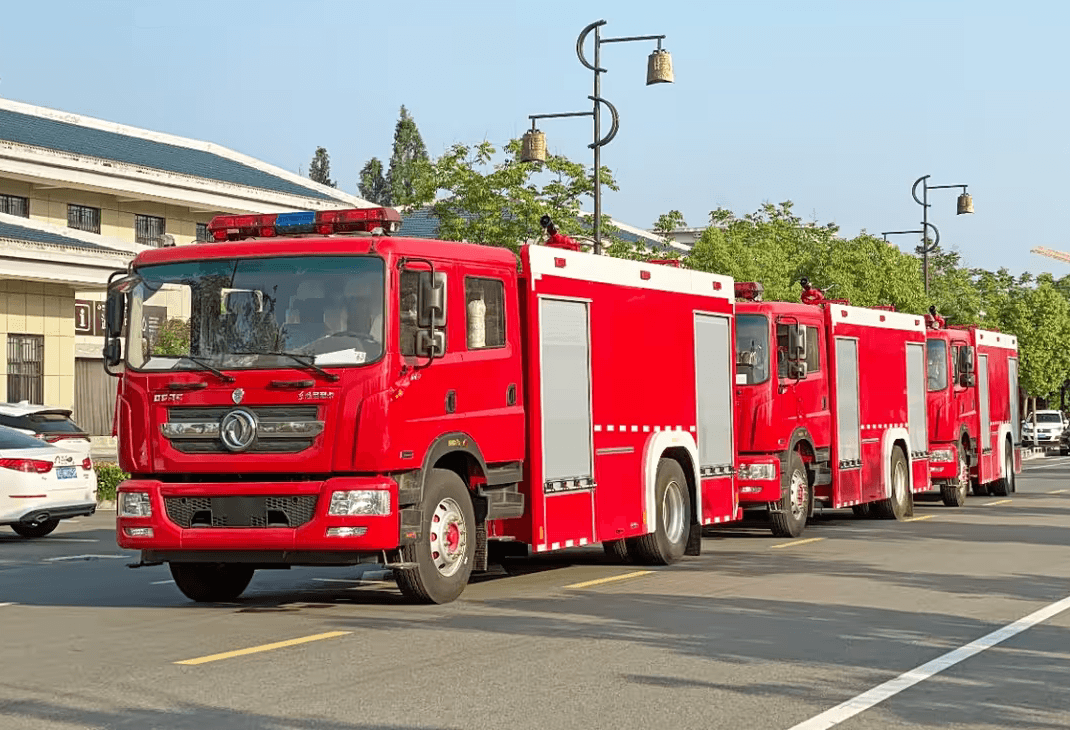
Most Chinese manufacturers, such as those found on CNSpecialVehicle, categorize vehicles based on their primary extinguishing agent and mechanical function:
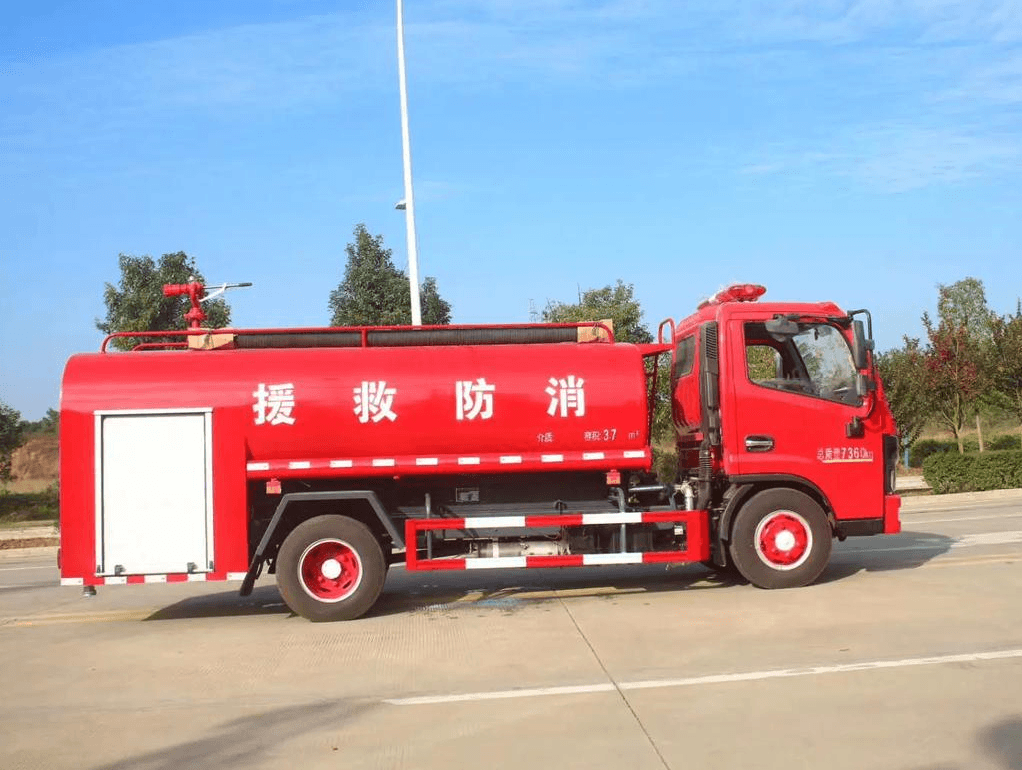
- Water Tank Fire Trucks: These are the workhorses of urban and rural departments. They focus on high-capacity water storage and pressure delivery.
- Foam Fire Trucks: Essential for industrial settings or airports (ARFF), these vehicles feature secondary tanks for AFFF (Aqueous Film Forming Foam) and complex proportioning systems to combat Class B liquid fires.
- Rescue & Technical Trucks: These often lack large tanks but are equipped with hydraulic cutters, generators, and lighting masts for urban search and rescue (USAR).
- Aerial Platform/Ladder Trucks: Designed for high-rise intervention, integrating telescopic or articulating booms with integrated water ways.
Understanding these distinctions ensures that the base chassis and pumping capacity align with your local fire risks.
The Chassis Selection: The Foundation of Reliability
In the Chinese manufacturing ecosystem, the "Chassis" is the most critical component of your procurement. It dictates the vehicle’s lifespan, maintenance ease, and gross vehicle weight (GVW) capacity.
When sourcing from China, you typically choose between three tiers of chassis:
| Chassis Category | Popular Brands | Best For |
|---|---|---|
| Premium / International | Isuzu, Mercedes-Benz, MAN | International serviceability and high-intensity urban use. |
| Top-Tier Domestic | Sinotruk (HOWO), Shacman, Dongfeng | Heavy-duty industrial use with excellent torque and durability. |
| Mid-Tier Domestic | Foton, JAC | Light-duty or rural applications where budget is a primary constraint. |
Engineers recommend a 4x2 drive for urban paved roads, while 4x4 or 6x6 configurations are mandatory for forest firefighting or rugged industrial terrains. Ensure the engine horsepower (HP) is sufficient to handle the weight of a full water tank plus the power requirements of the PTO (Power Take-Off) system.
Technical Specifications: Pumps, Tanks, and Monitors
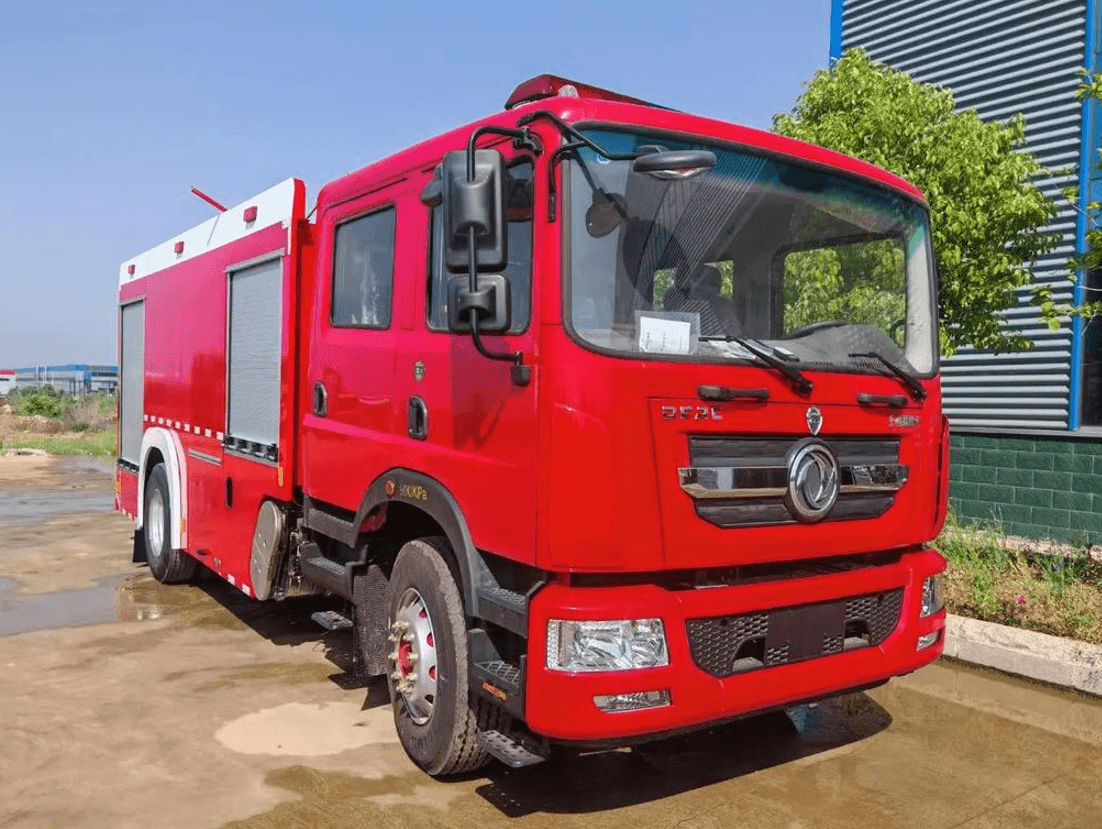
The firefighting superstructure is where the "special vehicle" expertise becomes apparent. A beginner must look beyond the paint job and evaluate the internal fluid dynamics.
Tank Material and Anti-Corrosion
Water tanks are typically constructed from high-quality carbon steel, but for longevity, stainless steel (304 or 316L) or PP (Polypropylene) tanks are preferred. If opting for carbon steel, verify the internal anti-corrosion coating thickness. High-salt environments or coastal cities should prioritize GRP or stainless steel to prevent premature rusting.
The Fire Pump (The Heart)
The pump's performance is measured in liters per second (L/s) or gallons per minute (GPM) at a specific pressure (usually 1.0 MPa). Chinese manufacturers often use atmospheric pressure pumps, but mid-to-high-end models feature "Normal and Low Pressure" integrated pumps. This allows for both standard firefighting and high-pressure fogging for rapid cooling.
The Fire Monitor (The Cannon)
The roof-mounted monitor must match the pump’s output. Key metrics include the rotation angle (360°) and the effective throw range. A standard water monitor on a medium-sized truck should achieve a throw range of ≥50 meters.
Compliance and Quality Standards
One of the biggest hurdles in importing fire trucks is ensuring they meet local road and safety regulations. You cannot assume a vehicle built for one region is legal in another.
- CCC Certification: Mandatory for the Chinese domestic market; it ensures basic safety and quality.
- ISO 9001/14001: Standard for manufacturing management.
- NFPA or EN 1846 Standards: While many Chinese trucks are built according to "GB" (National Standards of China), top exporters can customize builds to align with European EN 1846 or North American NFPA 1901 parameters.
- Emission Standards: Verify if the engine is Euro II, III, IV, V, or VI. Many countries now prohibit the import of vehicles below Euro IV or V standards.
The Procurement and Inspection Workflow
Buying a fire truck is a project-based procurement. The process generally follows this timeline:
- Requirement Definition: Finalizing the GVM, tank capacity, and chassis brand.
- Configuration Confirmation: Reviewing the technical drawing and pump curves provided by the manufacturer.
- Production Period: Usually 30 to 60 days, depending on the complexity of the aerial components or specialized foam systems.
- Factory Acceptance Test (FAT): This is a critical step. If you cannot visit the factory in China, hire a third-party inspection agency (like SGS or Intertek). They will test the pump's priming time, the monitor's range, and the vehicle’s stability at full load.
- Shipment: Fire trucks are usually shipped via RORO (Roll-on/Roll-off) or Frame Containers. RORO is preferred as it keeps the vehicle protected from salt air in the hull of a specialized vessel.
Post-Purchase: Maintenance and Parts
A fire truck is a 15-to-20-year investment. Before finalizing a purchase, confirm the availability of "Wear Parts." This includes pump seals, valves, and electrical relays.
Reputable manufacturers will provide a comprehensive spare parts package with the initial delivery. Because many Chinese trucks use international components (like Cummins engines or Allison transmissions), local mechanical support is often easier to find than beginners realize.
Reference Sources:
- NFPA 1901: Standard for Automotive Fire Apparatus.
- ISO 9001 Quality Management: International Organization for Standardization
- China National Standard GB7956.1: Firefighting vehicles - Part 1: General technical specifications.