
The landscape of global infrastructure, logistics, and municipal services relies heavily on specialized machinery that goes beyond the capabilities of standard transport trucks. In the manufacturing powerhouse of China, these are known as Special Purpose Vehicles (SPVs).
An SPV is not merely a truck; it is a precision-engineered tool. These vehicles integrate a heavy-duty chassis with complex superstructures designed to perform specific tasks, such as fire suppression, waste management, or high-capacity fuel transport. Understanding the technical nuances of a special purpose vehicle in China is essential for engineers, project managers, and logistics consultants who require reliable, task-specific equipment.
Defining the Special Purpose Vehicle (SPV) Framewor
In the Chinese industrial context, a special purpose vehicle (SPV) is defined as a motor vehicle equipped with specialized devices and used for specific transport tasks or particular operations. Unlike standard commercial vehicles designed for general cargo, an SPV is modified or purpose-built to accommodate high-stress environments and mechanical workflows.
The fundamental architecture of an SPV consists of two primary elements: the Chassis and the Superstructure. The chassis provides the structural foundation and mobility, while the superstructure (the "working" part) includes hydraulic systems, tanks, pumps, or mechanical arms.
In China, the engineering of these vehicles is governed by strict national standards (GB standards). These regulations ensure that the modifications do not compromise the vehicle's center of gravity, braking efficiency, or structural integrity.
Core Classifications of Chinese Special Purpose Vehicles
The diversity of the SPV sector is vast. To categorize these machines effectively, engineers typically group them by their functional application and mechanical design.
| Category | Primary Function | Common Examples |
|---|---|---|
| Tanker Vehicles | Transport of liquids, gases, or powders. | Fuel tankers, LPG carriers, chemical tanks, water bowsers. |
| Sanitation & Environmental | Urban maintenance and waste management. | Garbage compactors, vacuum suction trucks, street sweepers. |
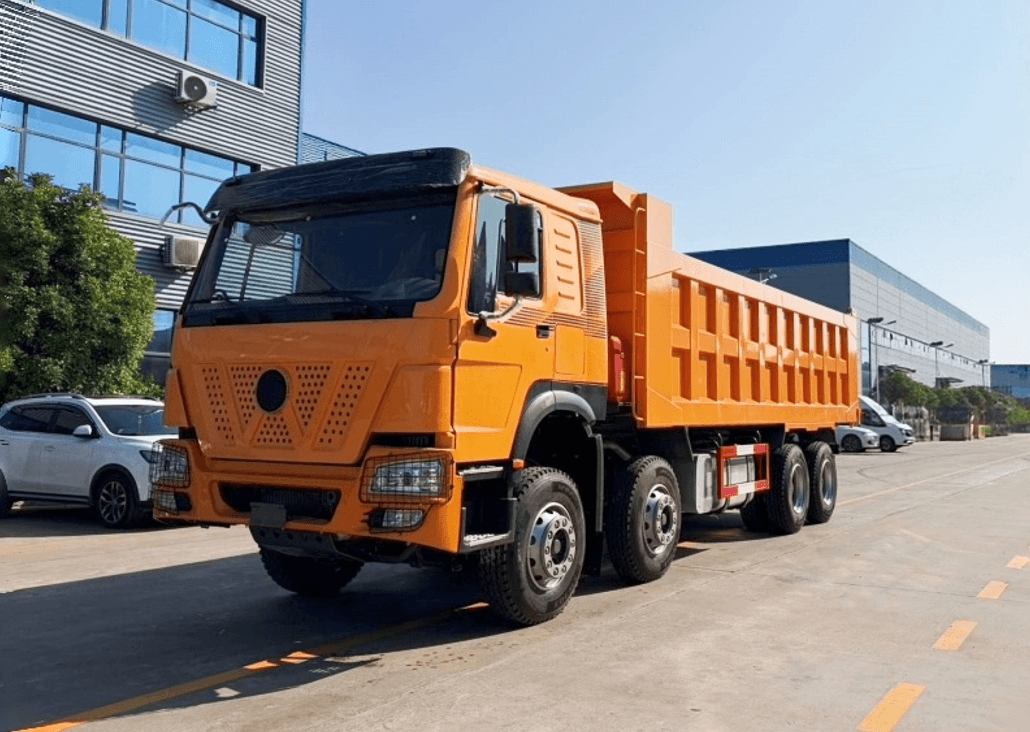
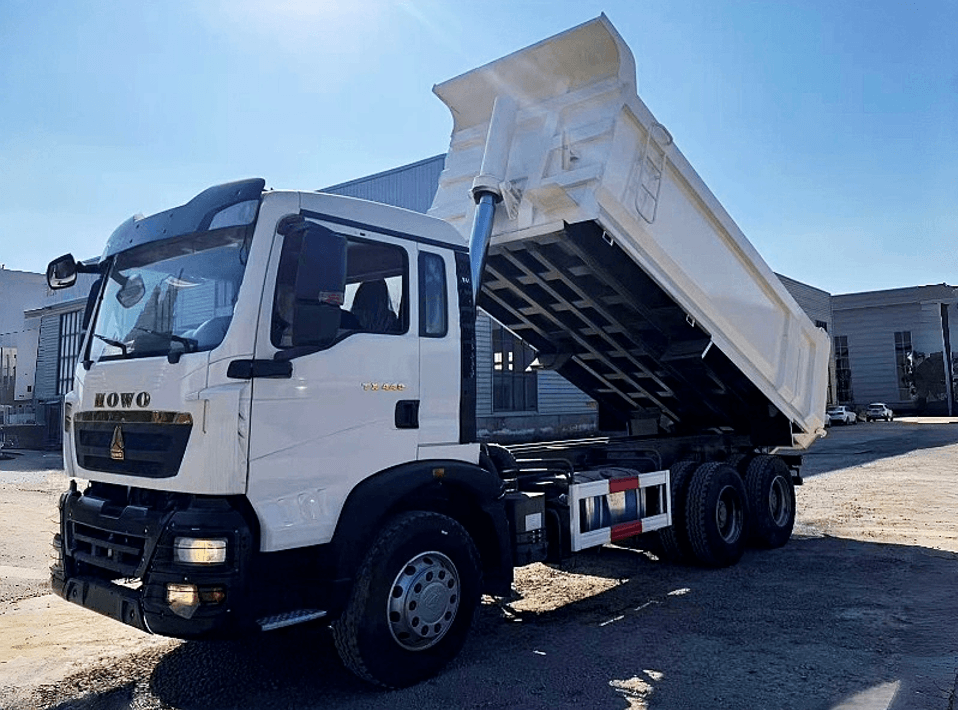
| Construction & Engineering | On-site material processing and heavy lifting. | Concrete mixers, pump trucks, crane trucks, dumpers. |
| Emergency & Medical | Crisis response and life support. | Fire engines, mobile clinics, hazardous material response units. |
| Specialty Logistics | Transporting non-standard or sensitive cargo. | Refrigerated trucks, car carriers, livestock transporters. |
This classification system allows project managers to identify the exact mechanical requirements for their specific operational environment. For instance, a "water truck" might be used for simple dust suppression on a construction site, or it might be engineered with high-pressure nozzles for municipal fire-fighting support.
Technical Engineering: The Superstructure Integration
The "special" nature of a special purpose vehicle in China lies in the integration of the superstructure. This is where mechanical engineering meets operational necessity.
Hydraulic Power Systems
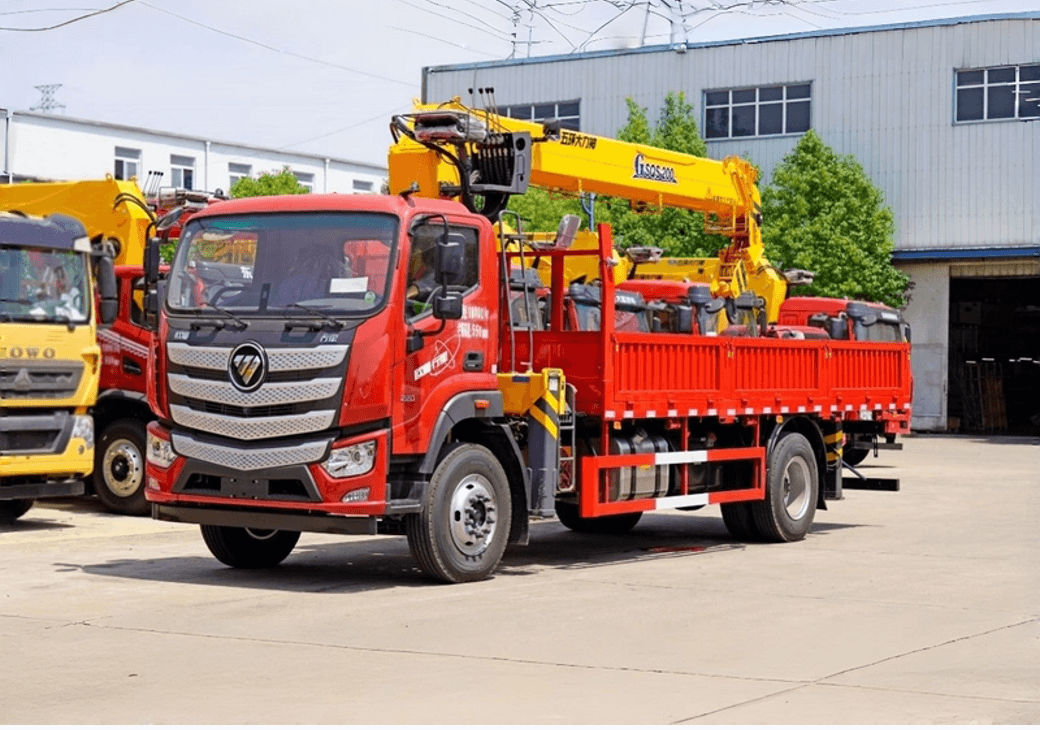
Most SPVs, such as garbage compactors or crane trucks, rely on advanced hydraulic systems. These systems often utilize a Power Take-Off (PTO) unit. The PTO is a gearbox that transfers the engine's mechanical power to the hydraulic pumps, allowing the vehicle to operate heavy machinery while stationary or moving slowly.
Material Selection and Durability
Manufacturing an SPV requires specific metallurgy. For tanker trucks carrying corrosive chemicals, stainless steel or aluminum alloys with specialized internal linings are used. For construction vehicles like concrete mixers, high-strength, wear-resistant steel is required to withstand the constant abrasion of aggregate materials.
Weight Distribution and Stability
Adding a heavy superstructure, such as a 50-meter aerial ladder or a large concrete pump, significantly alters a vehicle's center of gravity. Chinese SPV engineers use CAD (Computer-Aided Design) and FEA (Finite Element Analysis) to ensure that the axle loads remain within legal limits and that the vehicle remains stable during high-speed transit or during the operation of extended booms.
Regulatory Standards and Compliance
Operating or sourcing a special purpose vehicle from China requires an understanding of the regulatory landscape. Quality and safety are managed through several key frameworks:
- GB (Guobiao) Standards: These are the Chinese National Standards that dictate everything from the dimensions of the vehicle to the safety of the pressurized tanks.
- CCC (China Compulsory Certification): Almost all special vehicles must undergo CCC certification to prove they meet safety and environmental protection requirements.
- ISO 9001 Integration: Leading manufacturers implement ISO quality management systems to ensure that every weld, hydraulic hose, and electrical circuit meets international durability benchmarks.
For international applications, these vehicles are often adapted to meet Euro 5 or Euro 6 emission standards, ensuring they can be integrated into global fleets without environmental compliance hurdles.
Application Scenarios: Where SPVs Drive Global Industry
The utility of a special purpose vehicle in China extends across nearly every sector of modern society.
- Municipal Infrastructure: Sanitation trucks and street sweepers are the backbone of urban hygiene. In rapidly growing cities, the efficiency of a garbage compactor directly impacts public health.
- Energy and Mining: Specialized fuel tankers and heavy-duty mining dumpers are essential for remote operations where standard logistics fail. These vehicles are engineered for "off-road" durability, featuring reinforced suspensions and high-torque engines.
- Civil Defense: Firefighting vehicles produced in China now incorporate advanced digital control systems, allowing for precise foam-to-water ratios and remote-controlled monitor nozzles for high-risk industrial fires.
By focusing on modular designs, Chinese manufacturers can customize the superstructure to fit diverse needs. For example, a standard truck chassis can be converted into a mobile command center for disaster relief or a refrigerated unit for pharmaceutical cold-chain logistics.
The Evolution of SPV Manufacturing
Modern manufacturing in China has shifted toward "Intelligent SPVs." This involves the integration of IoT (Internet of Things) sensors that monitor the health of the superstructure. A concrete mixer may now feature sensors that track the humidity of the mix in real-time, while a fuel tanker might use GPS-linked flow meters to prevent unauthorized discharge.
These technical advancements ensure that the special purpose vehicle is no longer just a mechanical asset but a data-driven component of a larger industrial ecosystem. Whether it is a vacuum truck maintaining city sewers or a crane truck lifting steel beams on a skyscraper, the SPV represents the pinnacle of task-oriented automotive engineering.
Reference Sources
- Standardization Administration of China (SAC): Overview of GB/T standards for motor vehicle safety and specialized equipment.
- International Organization for Standardization (ISO): ISO 3834 for quality requirements for fusion welding of metallic materials (critical for SPV tank manufacturing).
- China Association of Automobile Manufacturers (CAAM): Annual reports on the classification and production trends of the special vehicle industry in China.
- SGS Group: Technical insights into CCC certification and safety testing for heavy machinery and specialized automotive superstructures.