
The landscape of urban waste management is undergoing a tectonic shift, driven by the convergence of electrification, AI-driven logistics, and stringent carbon neutrality targets. At the center of this transformation is the 2026 Shanghai International Municipal and Environmental Sanitation Technology Exhibition. As China’s premier showcase for specialized vehicles, this event serves as the global benchmark for identifying the next generation of refuse collection technology.
For municipal engineers, fleet managers, and urban planners, the exhibition is more than a trade show; it is a technical roadmap for the future of "Smart Sanitation." Understanding the trajectory of the garbage truck exhibition in China requires a deep dive into the engineering breakthroughs and policy drivers shaping the industry today.
The Engineering Evolution: Beyond Simple Refuse Collection
Modern garbage trucks have evolved from basic transport vehicles into highly specialized mobile processing units. In the context of the 2026 exhibition, the focus has shifted from "volume capacity" to "operational efficiency and environmental containment."
High-Compression Hydraulic Systems
The core of a modern Refuse Collection Vehicle (RCV) is its compaction mechanism. Engineers at the Shanghai exhibition are increasingly showcasing dual-pump hydraulic systems that allow for simultaneous loading and packing. This reduces cycle times and increases the compaction ratio—often achieving 3:1 or 4:1 densities—meaning fewer trips to the landfill and lower operational costs.
Leachate Management and Odor Control
One of the most significant technical challenges in urban waste transport is the management of leachate (liquid waste). High-end Chinese manufacturers are now integrating secondary filtration and high-capacity storage tanks within the chassis. At the 2026 event, expect to see advancements in hermetic sealing technologies that prevent leakage and neutralize odors, crucial for operating in high-density residential zones.
The Rise of NEV Chassis in the Sanitation Sector
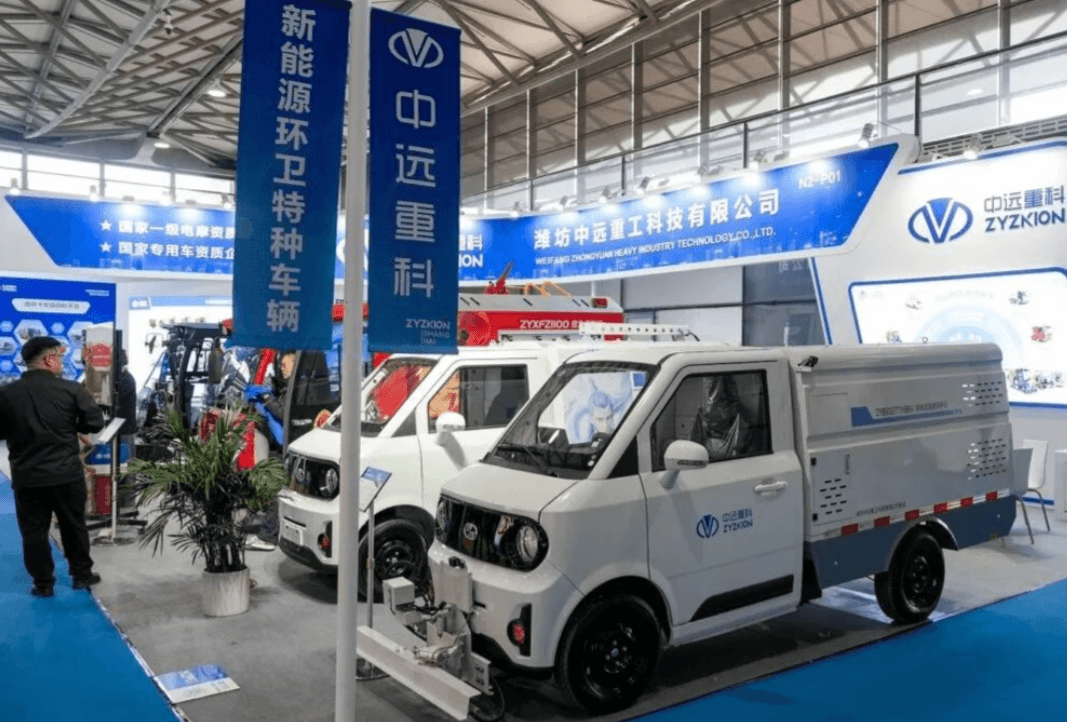
China currently leads the world in the adoption of New Energy Vehicles (NEVs) for municipal use. The 2026 exhibition will likely be dominated by electric and hydrogen-fuel-cell-powered garbage trucks. Unlike long-haul logistics, sanitation routes are ideal for electrification due to their predictable "stop-and-go" nature and localized operational range.
| Vehicle Type | Power Source | Key Advantage in Sanitation | Ideal Application |
|---|---|---|---|
| Pure Electric RCV | Lithium Iron Phosphate (LFP) | Zero tailpipe emissions, low noise | Night-time residential pickup |
| Hydrogen Fuel Cell | Hydrogen + Fuel Cell Stack | Long range, rapid refueling | Regional waste transfer stations |
| Hybrid Sanitation | Diesel + Electric Motor | High torque for heavy compaction | Mixed urban and rural routes |
Smart Sanitation: Telematics and Autonomous Operations
The "Smart City" initiative in China has mandated that sanitation fleets become data-driven. A major draw of the garbage truck exhibition in China is the software layer that now accompanies the hardware.
- Real-time Load Sensing: Using pressure transducers and strain gauges, trucks can now report their fill levels in real-time to a central command center, optimizing route planning on the fly.
- ADAS for Urban Safety: Refuse trucks operate in congested areas with high pedestrian traffic. Advanced Driver Assistance Systems (ADAS) featuring 360-degree LIDAR and ultrasonic sensors are now standard requirements for municipal tenders.
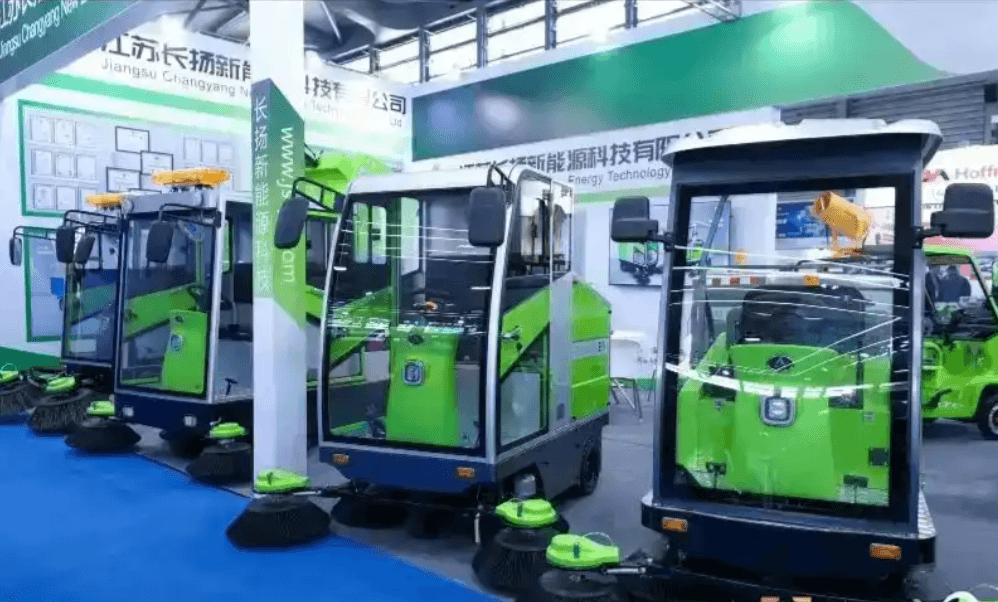
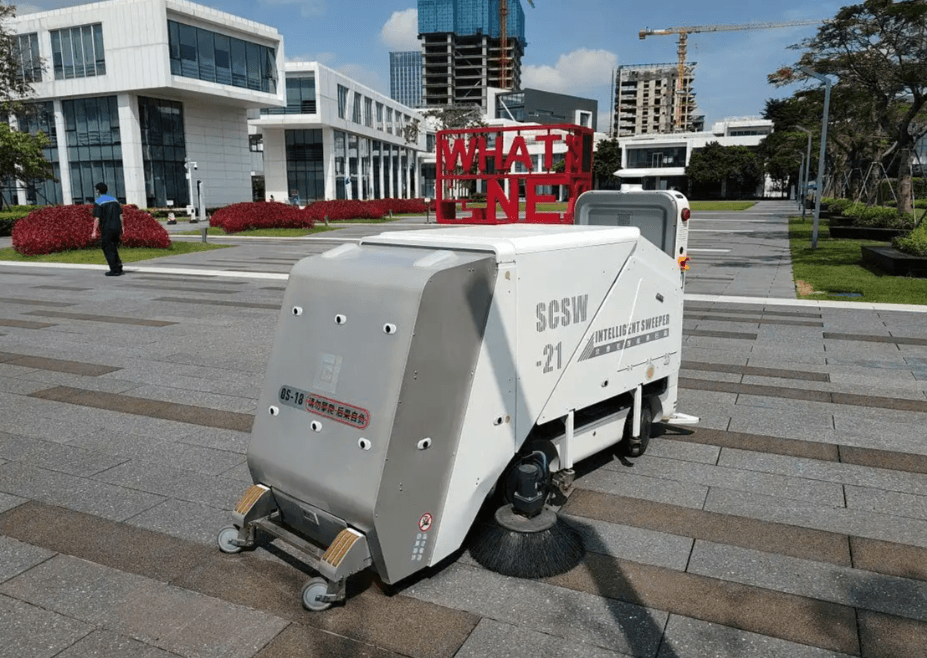
- Autonomous Sweepers and Small RCVs: While large-scale autonomous garbage trucks are still in pilot stages, the 2026 exhibition will feature "mother-daughter" systems where a large truck deploys smaller, autonomous units to navigate narrow alleyways.
Why Shanghai 2026 is the Strategic Hub
Shanghai’s geographical and economic position makes it the "Silicon Valley" of environmental engineering. The Yangtze River Delta region hosts a dense cluster of specialized vehicle manufacturers, hydraulic component suppliers, and AI startups.
For international observers, the 2026 event offers a rare look at the "China Standard" in sanitation. As many developing nations look to modernize their waste infrastructure, the modular and cost-effective designs showcased in Shanghai are becoming the global blueprint. The exhibition provides a platform to evaluate how these vehicles handle diverse waste streams—ranging from wet "kitchen waste" (which requires specialized leak-proof bins) to dry recyclables.
Technical Considerations for Fleet Integration
When evaluating technology at a major exhibition, engineers must look beyond the gleaming paint of the display models. Key technical parameters include:
- PTO (Power Take-Off) Efficiency: In electric trucks, the PTO must be optimized to ensure that the energy required for compaction does not significantly drain the traction battery.
- Modular Body Construction: The ability to swap bodies (e.g., switching from a compactor to a skip loader on the same chassis) is becoming a priority for municipalities with limited budgets.
- Corrosion Resistance: Given the acidic nature of organic waste, the use of high-strength, anti-corrosive steel (like HARDOX equivalents) in the hopper and ejector plates is a critical durability metric.
Reference Sources
- Ministry of Ecology and Environment of the People's Republic of China (MEE): Guidelines on the "Zero-Waste City" initiative.
- ISO 16330:2013: Reciprocating positive displacement pumps and units — Technical requirements for refuse collection vehicles.
- China Association of Urban Environmental Sanitation (CAUES): Annual industry report on the development of specialized sanitation vehicles.
- SGS Technical Services: Compliance and certification standards for electric vehicle chassis in municipal applications.
- GB/T 18655: National standards for radio disturbance characteristics for the protection of receivers used on board vehicles (relevant for smart telematics).