
The special vehicle industry is undergoing a radical shift, moving away from simple modifications toward integrated, smart, and purpose-built engineering. For manufacturers, staying ahead requires more than just local networking; it demands a deep dive into the latest chassis technologies, hydraulic systems, and modular assembly techniques.
The Jiangnan Special Vehicle Exhibition has emerged as a critical hub for these advancements. Located in the heart of China’s manufacturing corridor, this event serves as a strategic touchpoint for OEM/ODM providers, chassis suppliers, and Tier 1 engineering firms. Understanding the technical and commercial landscape of this exhibition is essential for any manufacturer looking to optimize their production line or expand their specialized fleet offerings.
What Defines the Jiangnan Special Vehicle Exhibition Scope?
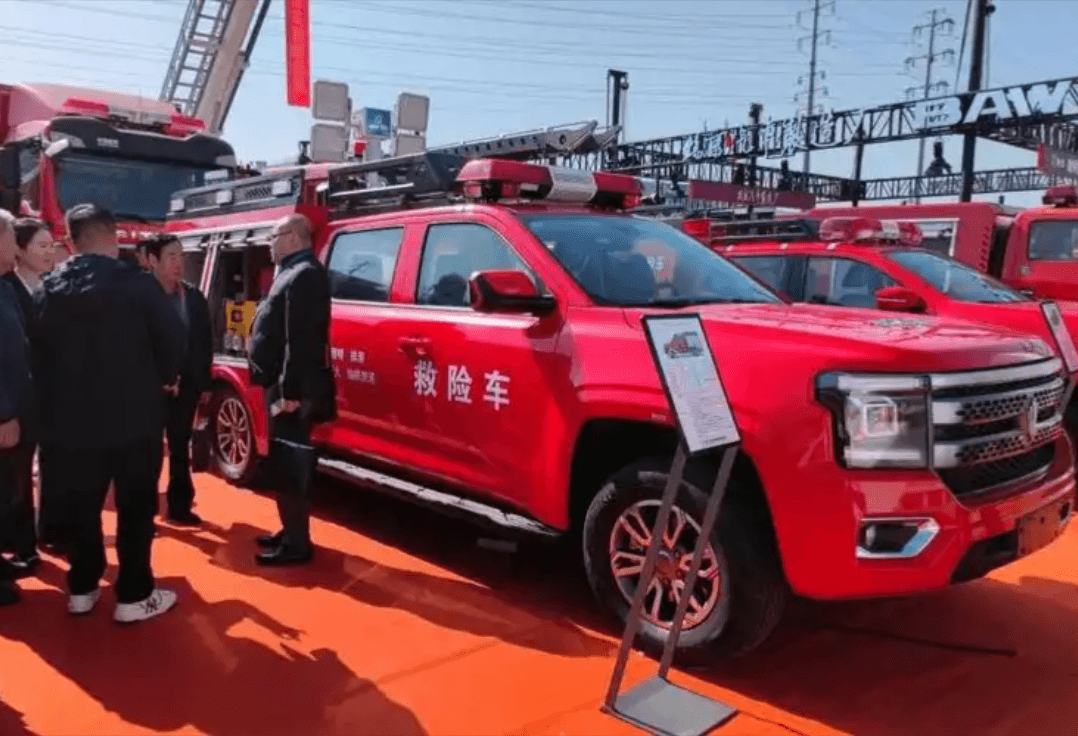
This exhibition is not a consumer car show. It is a focused industrial event targeting the "superstructure" and "chassis" integration ecosystem. The primary participants include manufacturers of municipal utility vehicles, emergency response units, high-end refrigerated transport, and heavy-duty construction machinery.
For a manufacturer, the event provides a concentrated look at the Jiangnan industrial cluster’s capabilities. This region is known for its high-precision machining and advanced electronics, which are now being integrated into special-purpose vehicle (SPV) designs. The exhibition focuses heavily on the synergy between the base vehicle (chassis) and the functional equipment (the body), highlighting innovations in Power Take-Off (PTO) efficiency and structural lightweighting.
Technical Trends: Chassis Selection and Superstructure Integration
At the core of the Jiangnan Special Vehicle Exhibition is the evolution of the chassis. Manufacturers are moving beyond traditional diesel platforms to explore New Energy Vehicle (NEV) architectures specifically designed for specialized tasks.
Electric and Hydrogen Chassis for SPVs
Urban municipalities are increasingly demanding zero-emission sanitation and delivery vehicles. The exhibition showcases dedicated EV chassis that offer integrated battery placements, allowing for more "free space" on the frame for hydraulic pumps or compaction units. This modularity reduces the need for invasive frame modifications, preserving the vehicle's structural integrity and warranty.
Advanced CAN-bus Integration
Modern special vehicles require seamless communication between the chassis and the added equipment. Manufacturers at the exhibition are showcasing smart control systems that plug directly into the vehicle’s CAN-bus. This allows for real-time monitoring of crane loads, refrigerated temperatures, or fire-pump pressure directly from the driver’s dashboard or a remote fleet management portal.
Lightweight Material Adoption
To maximize payload capacity, manufacturers are showcasing superstructures built with high-strength-to-weight ratio materials. Aluminum alloys and high-tensile steels (such as S700MC) are becoming the standard for tankers and aerial work platforms. Reducing the "dead weight" of the vehicle is the most effective way to improve fuel efficiency and meet strict axle-load regulations.
Comparing Manufacturing Approaches: Modified vs. Purpose-Built
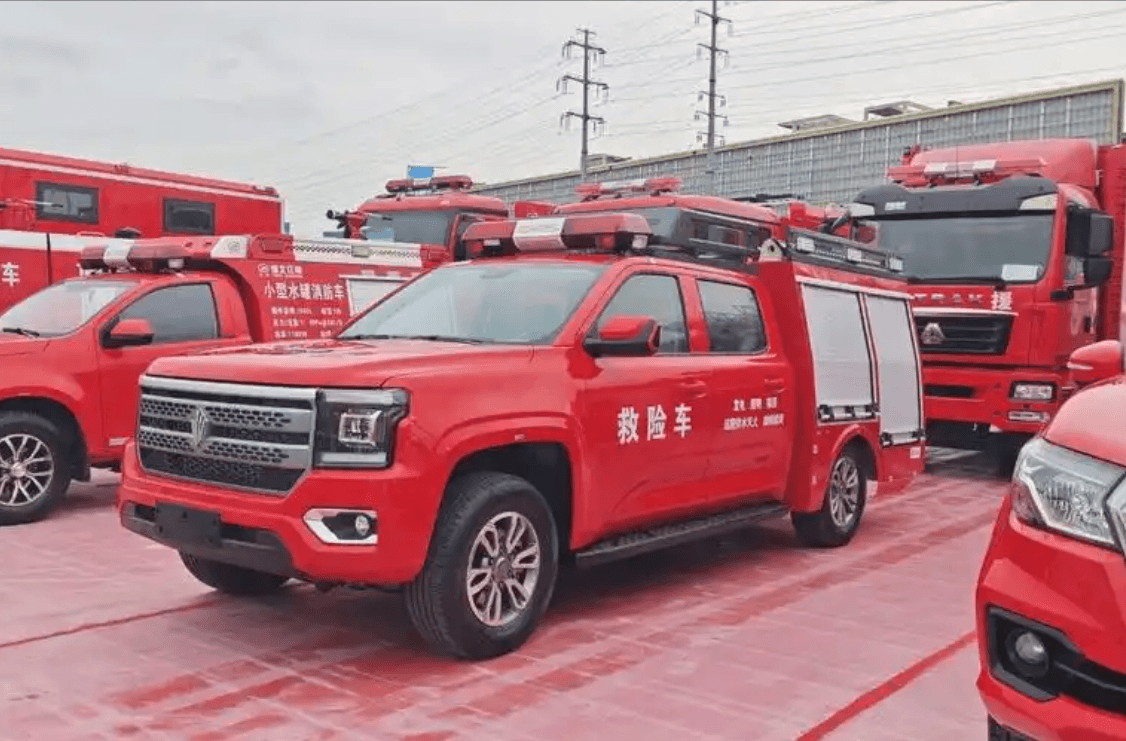
A recurring theme at the Jiangnan Special Vehicle Exhibition is the strategic choice between traditional modification and purpose-built manufacturing.
| Feature | Traditional Modification | Purpose-Built (Integrated) |
|---|---|---|
| Development Cycle | Faster (using existing chassis) | Longer (collaborative engineering) |
| Weight Distribution | Often suboptimal; requires counterweights | Optimized via CAD simulation |
| Component Lifecycle | Dependent on aftermarket parts | OEM-grade durability |
| Cost Driver | Low initial R&D, high maintenance | Higher R&D, lower Total Cost of Ownership (TCO) |
| Compliance | Requires secondary certification | Integrated type-approval |
Strategic Sourcing: Why the Jiangnan Cluster Matters
The "Jiangnan" region—encompassing industrial hubs like Jiangsu and Zhejiang—offers a unique supply chain advantage. For a manufacturer visiting the exhibition, the goal is often to secure reliable Tier 2 and Tier 3 suppliers.
- Hydraulic and Pneumatic Systems: The region is home to some of the world’s most advanced hydraulic valve and cylinder manufacturers. Precision-controlled hydraulics are essential for the smooth operation of concrete pumps and crane arms.
- Specialized Sensors and IoT: With the rise of "Smart Cities," vehicles must be data-compliant. The exhibition features a range of sensor manufacturers specializing in ultrasonic level sensing, load cells, and GPS-enabled fleet tracking.
- Tooling and Die-Casting: The proximity to high-end tooling shops allows manufacturers to iterate on body designs faster than in other global regions, significantly reducing the "Time-to-Market" for new vehicle models.
Commercial Evaluation: Is Participation Worth the Investment?
From a commercial perspective, the Jiangnan Special Vehicle Exhibition is a high-yield event for procurement managers and project leads. Unlike broader automotive shows, the lead quality here is highly technical.
Manufacturers can evaluate potential partners based on:
- Compliance Support: Ensuring the supplier understands international standards such as ISO 9001 and specific vehicle safety regulations (like ECE or local GB standards).
- Production Scalability: Assessing whether a component supplier can handle a jump from prototype volumes to mass production.
- Customization Flexibility: The special vehicle market is inherently low-volume but high-complexity. Finding a partner willing to customize hydraulic manifolds or electronic controllers is a primary objective for many attendees.
For international buyers, the exhibition serves as a vetting ground for OEM/ODM contracts. It provides a direct look at the factory capabilities behind the brochures, allowing for a more realistic assessment of lead times and quality control systems.
Enhancing Manufacturing Workflow via Exhibition Insights
The insights gained from the Jiangnan Special Vehicle Exhibition should directly inform a manufacturer's internal workflow. For instance, seeing the latest robotic welding techniques for stainless steel tankers might prompt an investment in automation to reduce labor costs and improve seam quality.
Furthermore, the focus on "Modular Superstructures" at the show suggests a shift in how vehicles are assembled. Instead of building the body directly onto the chassis, manufacturers are moving toward "Slide-on" modules. This allows the chassis and the body to be manufactured in parallel, significantly shortening the final assembly time.
Reference Sources
- ISO 3834: Quality requirements for fusion welding of metallic materials (Critical for tank and frame manufacturing).
- SAE International: Technical standards for CAN-bus (J1939) communication in heavy-duty vehicles.
- SGS Group: Guidelines for automotive supply chain auditing and quality control.
- GB/T Standards: China’s national standards for special vehicle safety and dimensions (Relevant for the Jiangnan region).