
Transporting specialized machinery—such as concrete mixers, fuel tankers, or fire trucks—across international borders is a high-stakes engineering and logistics challenge. Unlike standard passenger vehicles, "special vehicles" often feature non-standard dimensions, high centers of gravity, and sensitive hydraulic or mechanical components.
Successfully managing special vehicle shipping overseas requires a deep understanding of maritime logistics, protective coatings, and structural integrity during transit.
Primary Shipping Methods for Specialized Machinery
Choosing the correct vessel type is the most critical decision in the logistics chain. The choice depends on the vehicle's drivability, dimensions, and total weight.
RoRo (Roll-on/Roll-off)
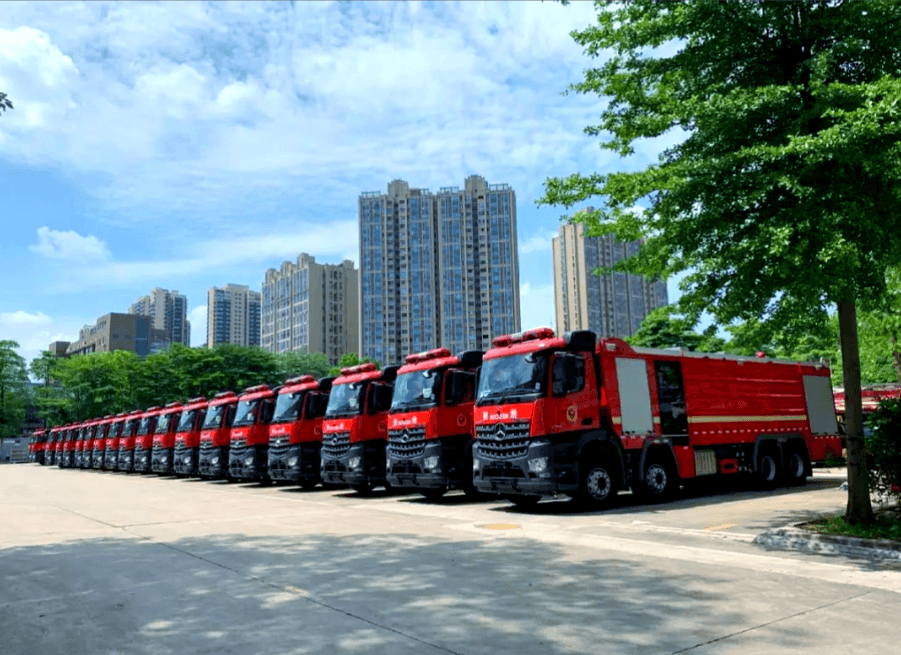
RoRo is the preferred method for self-propelled vehicles like fire trucks or heavy-duty mixers. The vehicle is driven onto a specialized vessel via a ramp.
- Suitability: Drivable units with standard height clearances.
- Constraint: Vehicles must have functioning steering and braking systems.
- Advantage: Minimal handling reduces the risk of structural damage compared to crane lifting.
Breakbulk Shipping
For oversized or non-drivable equipment—such as large-capacity powder tank trailers or modular construction units—breakbulk is often the only viable path. These vehicles are lifted individually by port cranes or ship gear.
- Technical Focus: Requires identifying certified lifting points on the chassis to prevent frame warping.
- Risk: Higher exposure to the elements if stored on the weather deck.
Flat Rack and Open Top Containers
When vehicles exceed the width or height of a standard 40ft High Cube container but still fit within the footprint of a container ship, Flat Racks are utilized.
- Application: Ideal for specialized trailers or heavy-duty truck chassis.
- Lashing: Requires heavy-duty nylon webbings or steel chains to secure the load against the pitch and roll of the vessel.
| Shipping Method | Best For | Technical Constraint |
|---|---|---|
| RoRo | Concrete Mixers, Fire Trucks | Max ramp height/width |
| Breakbulk | Large Tankers, Oversized Cranes | Crane lifting capacity |
| Flat Rack | Truck Chassis, Small Trailers | Width must not exceed rack limits |
Technical Preparation and Cargo Protection
Special vehicles are precision-engineered machines. Shipping them through saline maritime environments for 30–45 days necessitates rigorous preparation.
Corrosion Mitigation
Ocean air is highly corrosive. For equipment like those found on cnspecialvehicle.com, which often feature specialized paint and hydraulic cylinders, protection is mandatory.
- Wax Coating: Applying a thick layer of industrial-grade anti-rust wax (e.g., Tectyl) to all exposed metal surfaces.
- Hydraulic Protection: Retracting all hydraulic rams and coating exposed rods with specialized grease to prevent pitting.
Mechanical Stabilization
Moving parts must be locked to prevent kinetic damage.
- Mixer Drums: Concrete mixer drums must be mechanically locked to prevent rotation caused by ship vibration.
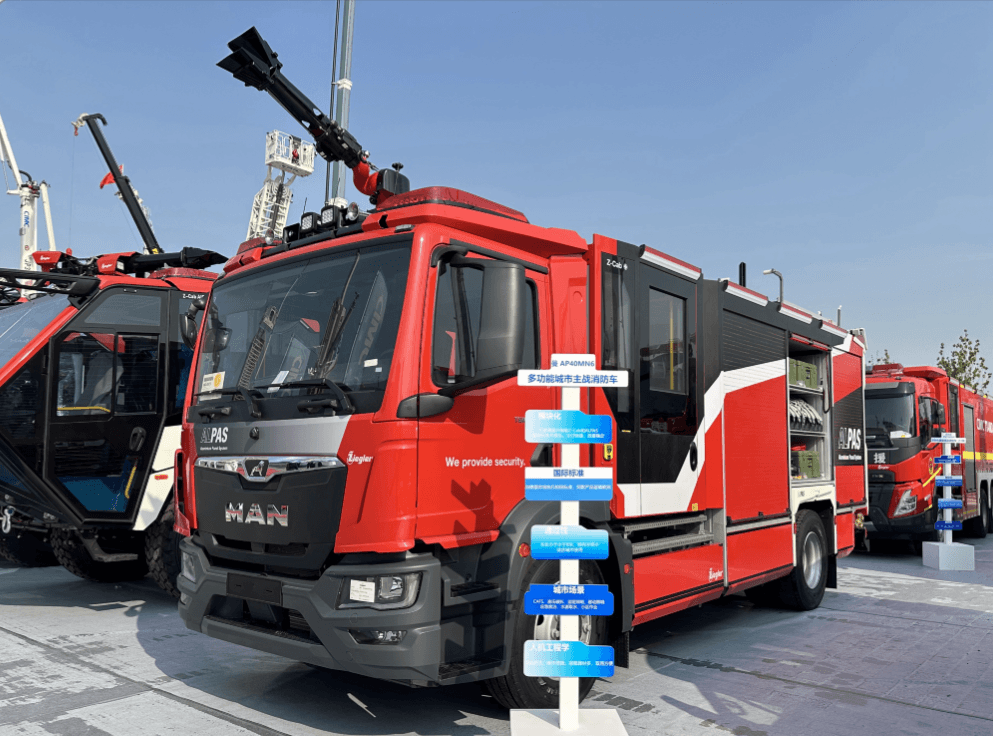
- Boom Securing: Fire truck ladders or pump truck booms require secondary mechanical lashings beyond their standard transport locks.
- Fluid Management: Most carriers require fuel levels to be at the minimum (typically <1/4 tank) and batteries to be disconnected to comply with the International Maritime Dangerous Goods (IMDG) Code.
Dimensions and Weight Distribution: The Engineering Reality
In the world of special vehicle shipping overseas, "standard" does not exist. Logistics managers must provide accurate technical drawings (GA Drawings) to the carrier.
- Center of Gravity (CoG): Special vehicles, particularly tankers, have a high CoG. This affects the lashing angles required on a Flat Rack. If the CoG is off-center, the vehicle may require custom cradles.
- Ground Clearance: Heavy-duty trailers or low-profile special vehicles may struggle with RoRo ramp angles. In such cases, "blocking and bracing" techniques are used to temporarily increase clearance.
- Overall Dimensions: Protruding mirrors, beacons, or exhaust stacks should be removed or protected to avoid "over-dimension" surcharges and accidental breakage.
Regulatory Documentation and Compliance
Navigating international customs for specialized equipment requires more than just a Bill of Lading.
- MSDS (Material Safety Data Sheet): Required if the vehicle contains residual chemicals (for tankers) or specialized fire-suppression foams.
- Cleanliness Certificates: Many regions (notably Australia and New Zealand) require biosecurity cleaning certificates to ensure no soil or organic matter is trapped in the undercarriage or mixer drums.
- Export Licenses: Depending on the "dual-use" nature of some special vehicles (e.g., heavy-duty off-road units), specific export permits may be required.
Evaluating Logistics Suitability
When sourcing from manufacturers, it is essential to consider the "shipping footprint." High-quality manufacturers, such as those listed on cnspecialvehicle.com, often design their equipment with modularity in mind. For instance, a powder tank trailer might be designed so that certain ladders or railings can be detached, significantly reducing the total cubic meters (CBM) and, consequently, the shipping cost.
Before finalizing a shipping plan, always verify the port's discharge capabilities. Not all ports have the heavy-lift cranes required for breakbulk, nor do all have the ramp infrastructure for large-scale RoRo vessels.
Reference Sources
- International Maritime Organization (IMO): Guidelines on the Safe Stowage and Securing of Cargo.
- International Chamber of Shipping (ICS): Best practices for transport of vehicles on RoRo vessels.
- TT Club: Logistics insurance and risk management for oversized cargo.
- ISO 1496-1:2013: Series 1 freight containers — Specification and testing.
- Bureau Veritas (BV): Marine & Offshore guidelines for breakbulk and heavy-lift operations.