
The efficiency of large-scale water transport—whether for municipal dust suppression, construction site irrigation, or the delivery of potable drinking water—rests entirely on the structural integrity and engineering precision of the vehicle. For procurement managers and fleet operators, selecting a water tanker truck manufacturer is not merely a purchase; it is a strategic technical partnership.
A water tanker is a high-gravity, liquid-load vehicle that operates under constant kinetic stress. Poor engineering leads to baffle failure, tank leakage, or chassis fatigue. This guide analyzes the manufacturing solutions required to ensure long-term ROI and operational safety in heavy-duty water transport.
Tank Material Engineering: Matching Grade to Application
The most critical decision in the manufacturing process is the selection of the tank shell material. A manufacturer’s ability to work with various alloys determines the vehicle’s lifespan and the safety of the cargo.
Carbon Steel (Q235B/Q345)
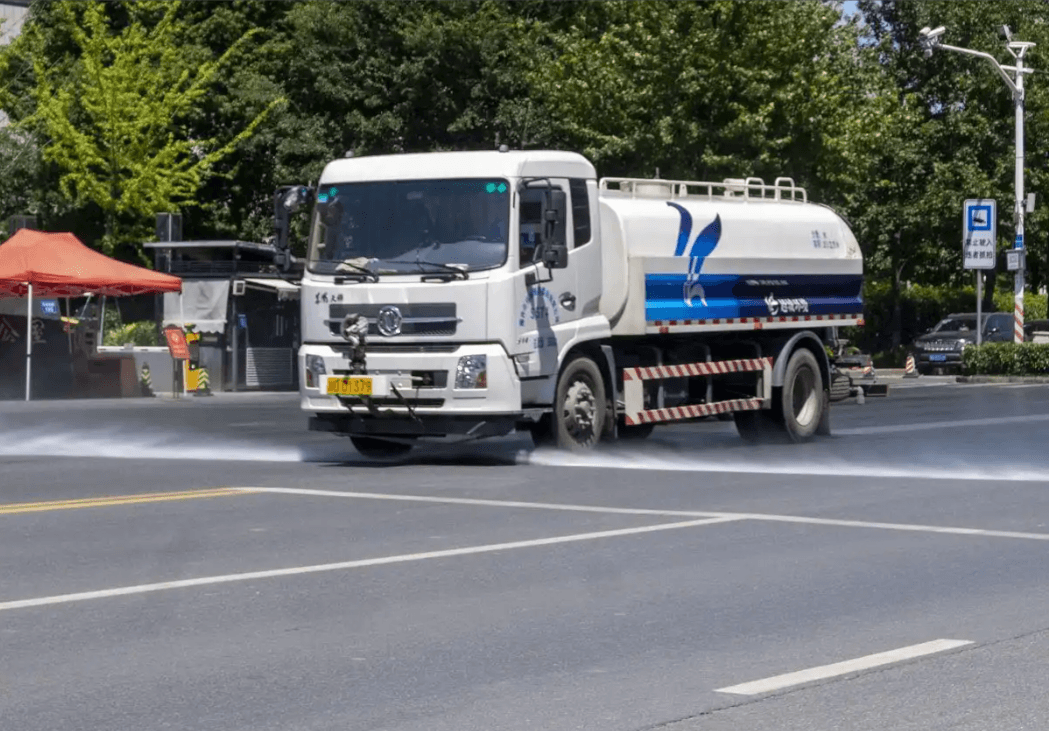
For non-potable applications such as road sprinkling, construction, and fire-fighting, carbon steel is the industry standard. It offers excellent tensile strength and cost-efficiency. However, the interior must be treated with high-grade anti-corrosion coatings—typically multi-layer epoxy resins—to prevent oxidation.
Stainless Steel (304/316L)
When the "solution" involves hauling potable (drinking) water, a professional manufacturer will mandate food-grade stainless steel. 304-grade provides excellent corrosion resistance, while 316L is reserved for high-salinity environments or chemical transport. These tanks require specialized TIG (Tungsten Inert Gas) welding to ensure smooth, contaminant-free internal seams.
Aluminum Alloy
In regions with strict axle-load regulations, aluminum tankers are becoming the preferred solution. They offer a significantly lower tare weight, allowing for higher water volume per trip and improved fuel economy, though they require advanced pulse-welding techniques and higher initial capital expenditure.
| Feature | Carbon Steel (Coated) | Stainless Steel (304) | Aluminum Alloy |
|---|---|---|---|
| Best For | Dust Suppression, Construction | Potable Water, Food Grade | Weight-Sensitive Logistics |
| Durability | Moderate (Needs Re-coating) | High | High |
| Cost | Low to Moderate | High | Premium |
| Corrosion Resistance | Dependent on Coating | Excellent (Inherent) | Very High |
Structural Integrity: Baffles and Subframes
A common point of failure in low-quality water trucks is the internal tank structure. Because water is a "moving load," the kinetic energy generated during braking or turning (the "slosh effect") can destabilize the truck or crack the tank welds.
Anti-Wave Baffles
Top-tier manufacturing solutions incorporate multi-section wave-breaking baffles. These are curved steel plates welded inside the tank with manholes for maintenance access. A professional manufacturer uses a "flanging" process on these baffles to increase their rigidity, ensuring they can absorb the impact of thousands of liters of shifting water without deforming.
The Subframe and Mounting
The tank does not sit directly on the truck chassis. It is mounted on a subframe. High-performance solutions utilize a "flexible connection" involving U-shaped bolts and rubber damping pads. This allow the chassis to flex during off-road movement—common in mining or construction—without transferring that torsional stress to the tank shell.
Integrated Pumping and Distribution Systems
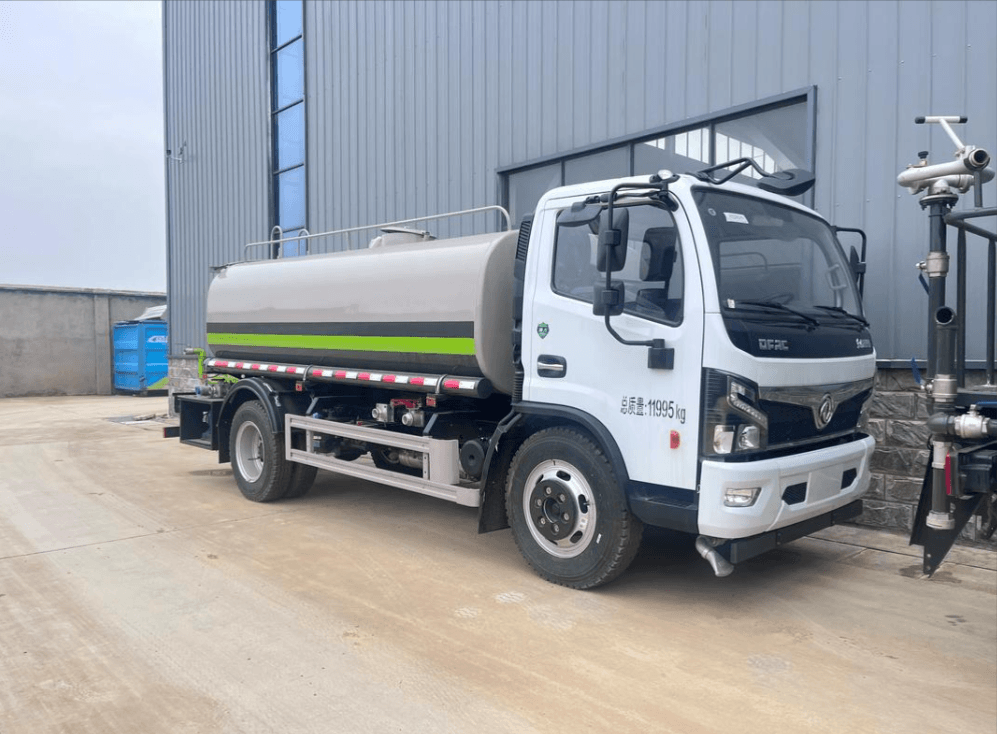
A manufacturer’s value is often found in the integration of the "working end" of the truck. The pump is the heart of the distribution system, usually powered by the truck’s engine via a Power Take-Off (PTO) unit.
- Self-Priming Centrifugal Pumps: Standard for most water trucks, capable of drawing water from ponds or wells.
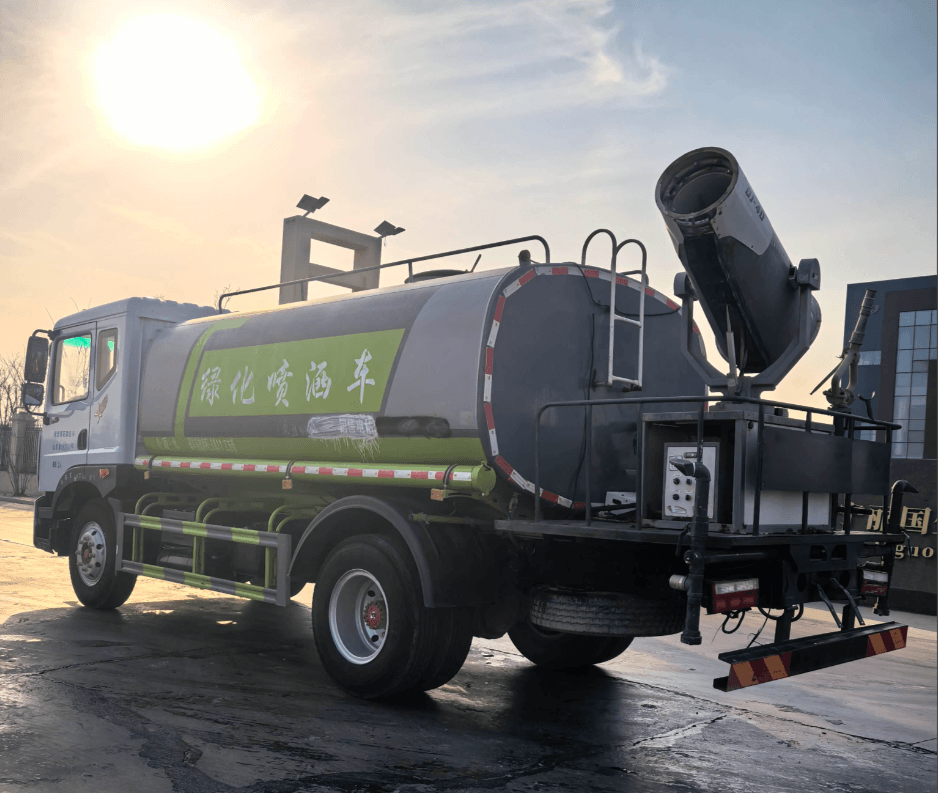
- High-Pressure Cannons: Essential for dust suppression and firefighting, with ranges often exceeding 30-50 meters.
- Pneumatic Control Systems: Modern manufacturing solutions allow the driver to operate front sprays, rear sprinkles, and side nozzles directly from the cab using pneumatic valves. This increases safety by keeping the operator inside the vehicle.
Evaluating Manufacturer Capability: The OEM Workflow
When sourcing a water tanker truck manufacturer, the "solution" should include a rigorous OEM/ODM workflow. Industrial-grade manufacturing is not an assembly line of "one-size-fits-all" trucks; it is a consultative engineering process.
- Chassis Compatibility Analysis: The manufacturer must verify that the tank volume (e.g., 5,000L to 30,000L) matches the Gross Vehicle Weight Rating (GVWR) of the chassis (ISUZU, HOWO, Shacman, etc.) to prevent engine strain and braking failure.
- Welding Precision: Look for manufacturers utilizing automatic longitudinal seam welding machines. Automated welding provides a level of penetration and consistency that manual welding cannot replicate, reducing the risk of hairline leaks.
- Pressure Testing: Every tank must undergo a high-pressure leak test and a "water fill" test for 24 hours to ensure structural soundness before it leaves the factory.
- Surface Treatment: Professional-grade solutions include sandblasting the steel to a Sa2.5 standard before painting. This ensures the primer bonds perfectly, preventing the rust that often plagues cheaper vehicles within the first 12 months.
Compliance and International Standards
A manufacturer's expertise is reflected in their adherence to international certifications. If you are procuring for a global fleet, ensure the manufacturer complies with:
- ISO 9001: For quality management systems.
- ADR (Agreement on Dangerous Goods by Road): Even if hauling water, many of the tank safety standards (manhole covers, emergency shut-off valves) are derived from ADR protocols.
- ASME Standards: Particularly for the pressure vessel components of the pumping system.
Customization: The Mark of a Specialized Manufacturer
In the B2B sector, "off-the-shelf" is rarely the best solution. A specialized water tanker truck manufacturer should offer customization options such as:
- Insulated Tanks: For transporting water in extreme climates (arctic or desert) to prevent freezing or excessive evaporation.
- Integrated Fire Monitors: Turning a standard water truck into a dual-purpose firefighting vehicle.
- Rear Work Platforms: Reinforced platforms with safety railings for manual spraying operations.
- GPS and Flow Meters: For municipal contracts that require precise logging of water usage and location tracking.
Summary for Procurement
Selecting the right manufacturing solution requires balancing the initial purchase price against the Total Cost of Ownership (TCO). A cheaper tank made with thinner steel and poor internal baffles will lead to chassis damage and frequent downtime. By focusing on material grade, baffle engineering, and automated welding processes, fleet managers can ensure they are investing in a vehicle that will remain operational for the long haul.
Reference Sources:
- International Organization for Standardization (ISO) - ISO 9001:2015 Quality Management.
- American Society of Mechanical Engineers (ASME) - Pressure Vessel Codes.
- ADR European Agreement concerning the International Carriage of Dangerous Goods by Road.