
In the world of industrial logistics, the tank truck is far more than a standard vehicle with a container bolted to the chassis. It is a highly engineered mobile pressure vessel—or atmospheric tank—designed to manage the complex physics of fluid dynamics while ensuring environmental safety and structural integrity. Whether transporting volatile petroleum, corrosive chemicals, or potable water, the tank truck working principle revolves around three core pillars: containment stability, controlled discharge, and safety mitigation.
To understand how these machines function, one must look past the exterior shell and into the internal architecture that manages "surge," pressure differentials, and material compatibility.
The Anatomy of a Tank Truck: Core Components
A professional-grade tank truck, such as those engineered by specialized manufacturers like CSCTRUCK, consists of several critical systems that work in unison.
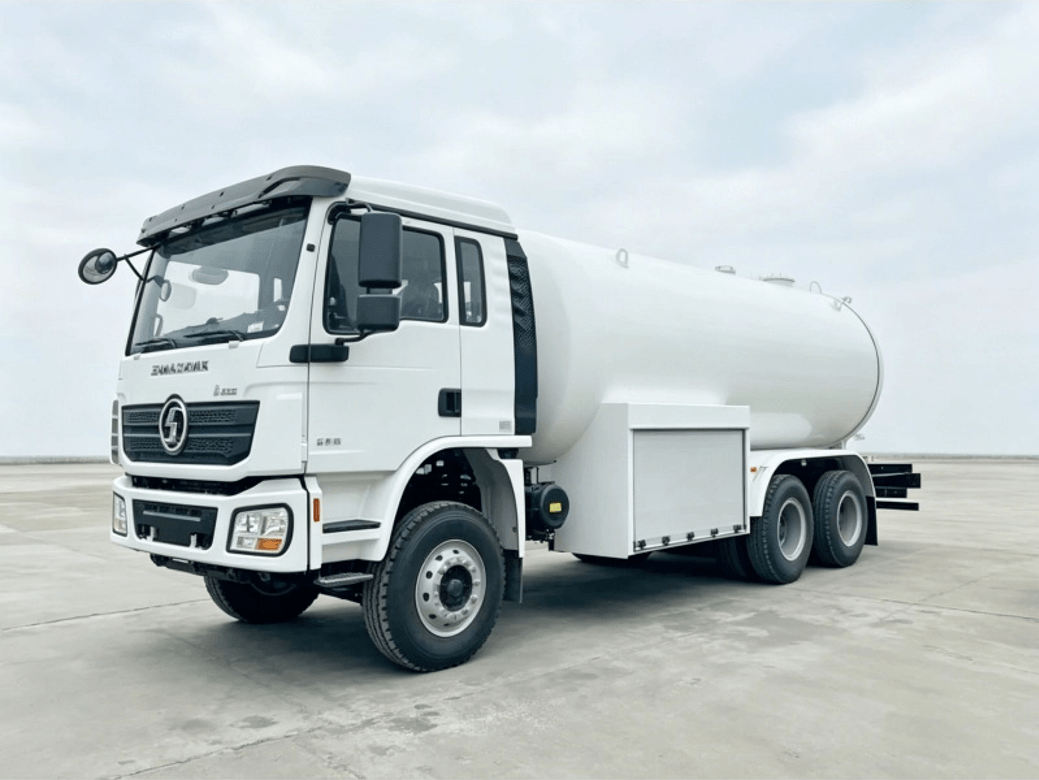
- The Tank Shell (Vessel): Usually constructed from aluminum (for weight reduction), carbon steel (for durability), or stainless steel (for chemical resistance). The shape is typically elliptical or cylindrical to maintain a low center of gravity and even pressure distribution.
- Baffles and Bulkheads: These are internal dividers. Bulkheads create completely separate compartments, allowing one truck to carry different grades of fuel. Baffles are "walls with holes" designed to slow down the movement of liquid (surge) during acceleration and braking.
- The Pumping System: Depending on the cargo, trucks use centrifugal pumps, vane pumps, or pneumatic (air-pressure) discharge systems.
- Vapor Recovery Systems: Crucial for fuel and chemical transport, these systems capture hazardous fumes during loading and unloading, preventing them from entering the atmosphere.
The Physics of Fluid Dynamics: Managing the "Surge"
The most significant challenge in the tank truck working principle is the "slosh" or "surge" effect. When a tank is not 100% full (a state known as "slack"), the liquid shifts violently during transit.
Without internal mitigation, a sudden stop would send tons of liquid weight forward, potentially pushing the truck into an intersection or causing a rollover. Engineers solve this using Baffles. By breaking the tank into smaller sub-sections with perforated dividers, the kinetic energy of the moving liquid is dissipated. This ensures that the vehicle maintains traction and braking predictability, a critical safety factor in heavy-duty OEM manufacturing.
Specific Working Principles by Cargo Type
While the basic chassis remains similar, the "working" part of the truck changes drastically based on what it carries.
Fuel and Petroleum Tankers
Fuel tankers operate on a "closed-loop" principle. To prevent static electricity—a major fire hazard—these trucks are equipped with grounding bolts and specialized internal coating. Most modern fuel tankers utilize Bottom Loading technology. Unlike older "top-fill" methods, bottom loading allows the operator to stay on the ground while dry-disconnect couplers minimize spills and vapor loss.
Water Tankers (Sprinkler & Potable)
Water trucks are often used in construction for dust suppression or for transporting drinking water. Their working principle involves a high-capacity centrifugal pump driven by a Power Take-Off (PTO) from the truck’s engine. This allows the operator to control front, side, and rear spray bars via pneumatic valves from inside the cab.
Chemical and Corrosive Transport
The engineering here focuses on material science. Chemical tanks often feature internal linings made of rubber, specialized polymers, or high-grade 316L stainless steel. The discharge mechanism frequently uses pressurized air (pneumatic discharge) rather than a mechanical pump to avoid corrosive wear on moving pump parts.
Specialized Bitumen and LPG Tankers
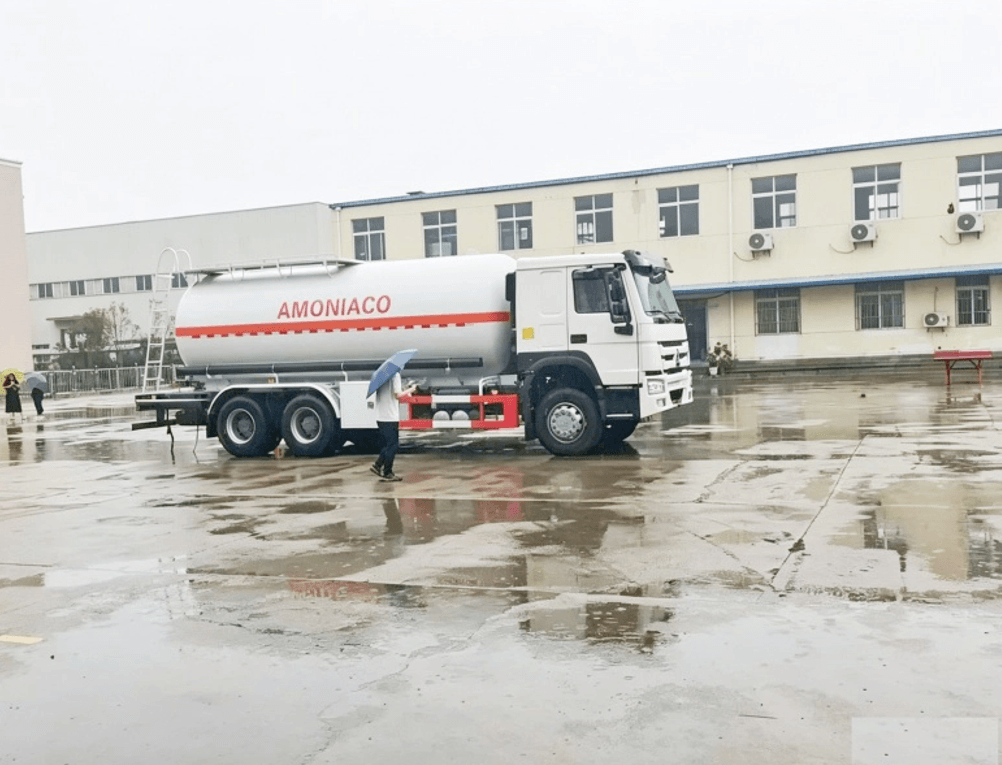
For high-viscosity materials like bitumen (asphalt), the tank includes internal heating coils or "fire tubes" to keep the product liquid. Conversely, LPG (Liquefied Petroleum Gas) tankers function as high-pressure vessels, requiring specialized relief valves and reinforced spherical ends to manage internal pressures that can exceed 250 psi.
Technical Comparison: Tanker Configurations
| Feature | Fuel Tanker | Water Tanker | Chemical Tanker |
|---|---|---|---|
| Common Material | Aluminum / Carbon Steel | Carbon Steel / Stainless | 316L Stainless / Lined |
| Discharge Method | Gravity or Vane Pump | Centrifugal Pump (PTO) | Pneumatic or Mag-Drive Pump |
| Internal Structure | Multiple Bulkheads | Baffles | Usually Single Compartment |
| Safety Focus | Static/Vapor Control | Weight Distribution | Corrosion/Leak Prevention |
Loading and Unloading Mechanisms
The efficiency of a tank truck is measured by its "turnaround time" at the terminal. There are two primary methods:
- Gravity Discharge: Used primarily for fuels and water. The tank is positioned higher than the receiving vessel, and the liquid flows out via 3-inch or 4-inch hoses.
- Pump/Pressure Discharge: Required for viscous liquids or when the receiving tank is at a higher elevation. In chemical transport, nitrogen padding is sometimes used to "push" the liquid out, ensuring no oxygen enters the tank, which could cause a reaction or oxidation.
Structural Integrity and Compliance Standards
Every specialized tank truck must adhere to international manufacturing standards. In the United States, DOT (Department of Transportation) 406, 407, and 412 specifications govern the thickness of the tank walls and the type of rollover protection required. Internationally, ADR (for Europe) and ISO standards ensure that the tank can withstand a rollover without fracturing.
Quality inspection in the manufacturing phase involves:
- Hydrostatic Testing: Filling the tank with water at high pressure to check for leaks.
- Radiographic Testing: Using X-rays to inspect the integrity of the weld seams.
- Vacuum Testing: Ensuring the tank can handle the negative pressure created during rapid unloading.
Summary of the Working Principle
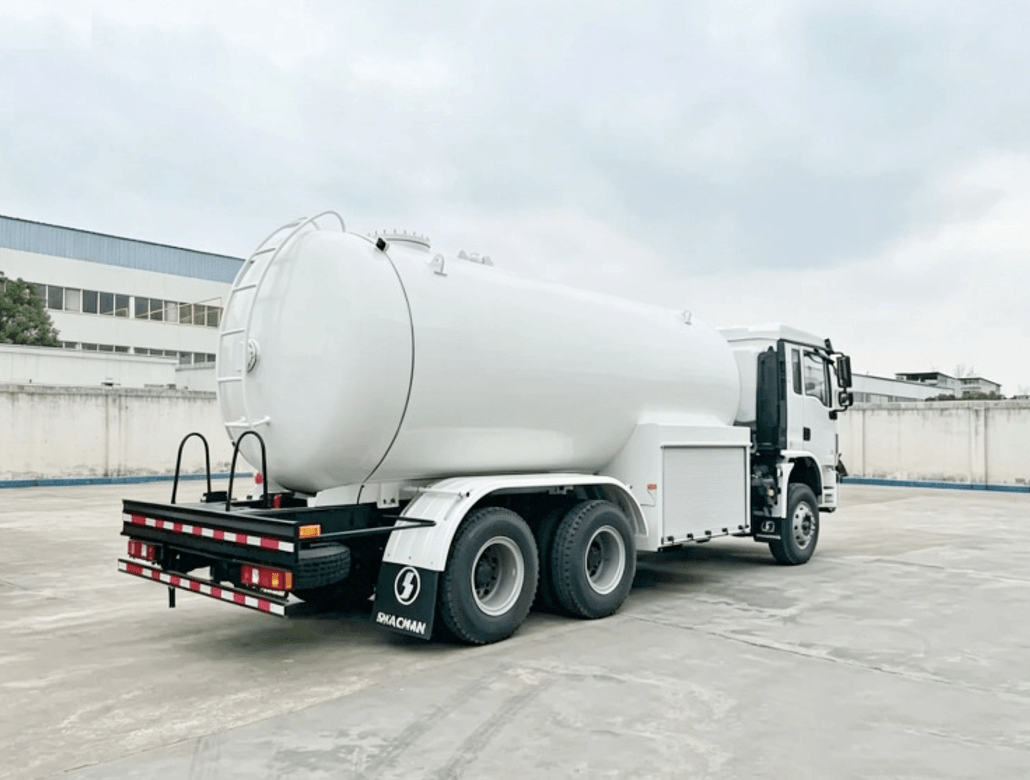
In summary, a tank truck works by balancing the chemical requirements of the cargo with the physical realities of road transport. Through the use of baffles to control surge, specialized pumps for discharge, and advanced materials for corrosion resistance, these vehicles act as the mobile arteries of the global economy. For project managers and fleet operators, understanding these principles is the first step in selecting the correct vehicle configuration for specific industrial applications.
Reference Sources
- U.S. Department of Transportation (DOT): Regulations for hazardous material tank specifications (DOT 406/407).
- American Society of Mechanical Engineers (ASME): Standards for pressure vessel integrity and welding.
- API (American Petroleum Institute): Recommended practices for bottom loading and vapor recovery.
- International Organization for Standardization (ISO): ISO 3834 for quality requirements in fusion welding of metallic materials.